A pallet that shifts in transit does its damage quietly - scuffed print, leaning stacks, and claims filed after the container is already unloaded. Anti slip bags attack the problem at the layer that touches: a coated woven sack whose surface friction holds bag on bag through braking, sea swell and warehouse handling. The coating decides everything, which is why this guide starts there.
Anti Slip Bag Specifications That Matter
- Coating technology: anti-skid lacquer or coating applied in defined patterns - bands, corners or full-face - engineered for a target slip angle, not an unspecified 'grippy' feel.
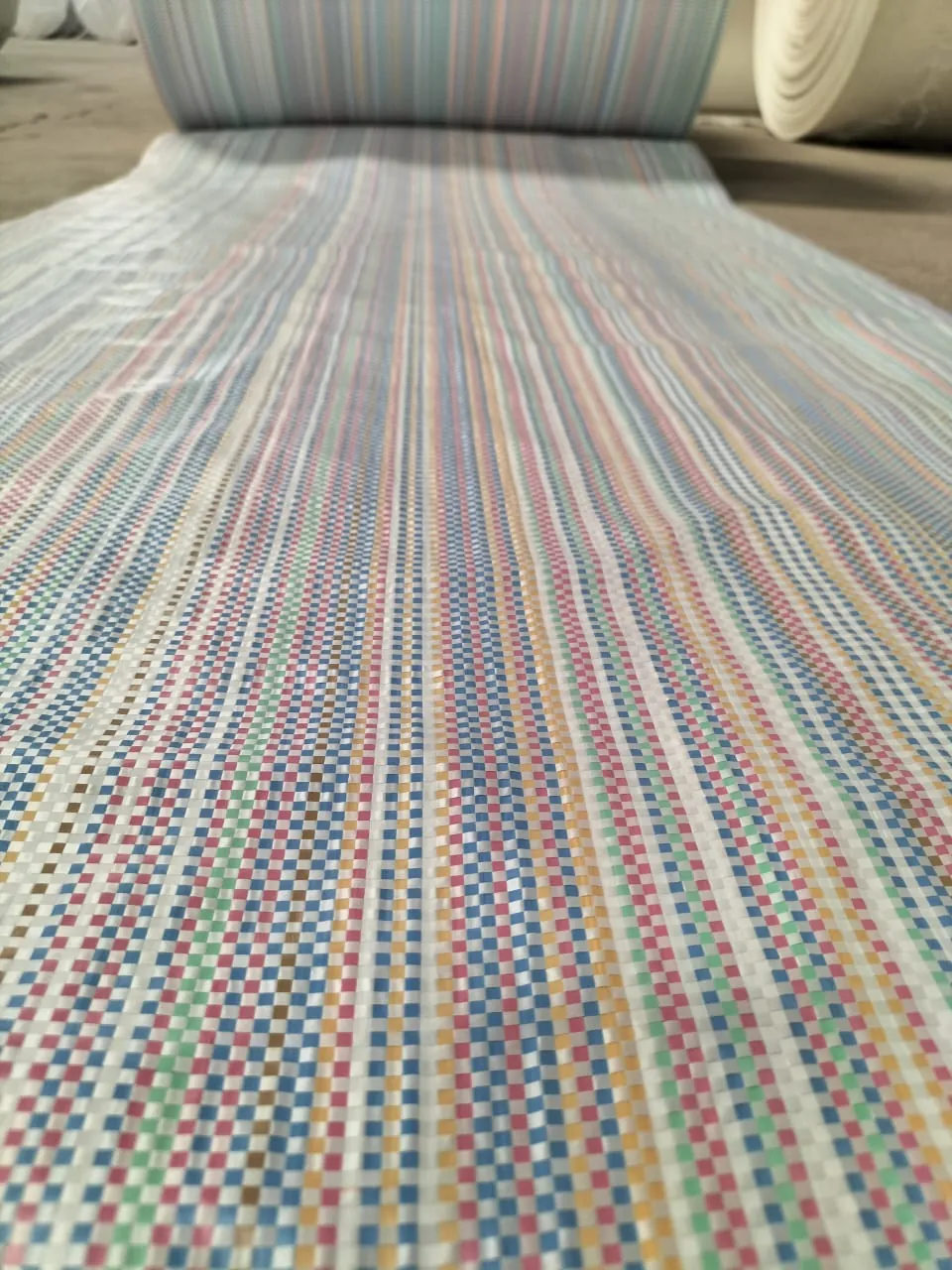
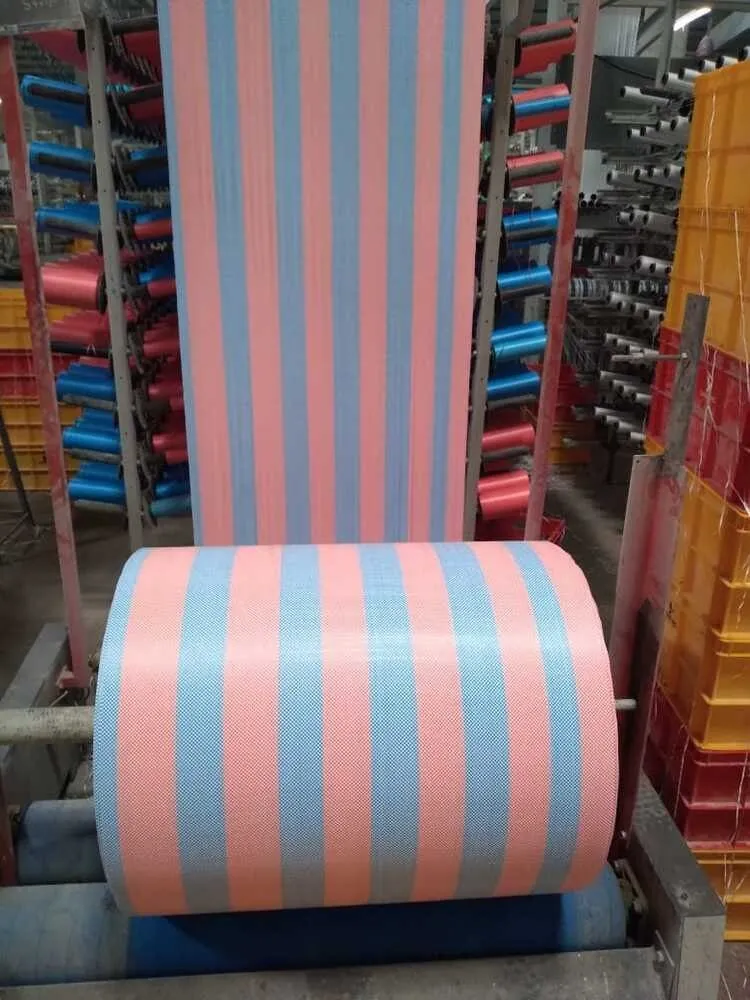
- Fabric: 60-100 GSM woven PP matched to the fill; coating adds surface grip without blocking breathability where liners handle moisture.
- Slip angle: the measured friction number - serious buyers specify a minimum angle and test against it, since 'anti-slip' without a number is marketing.
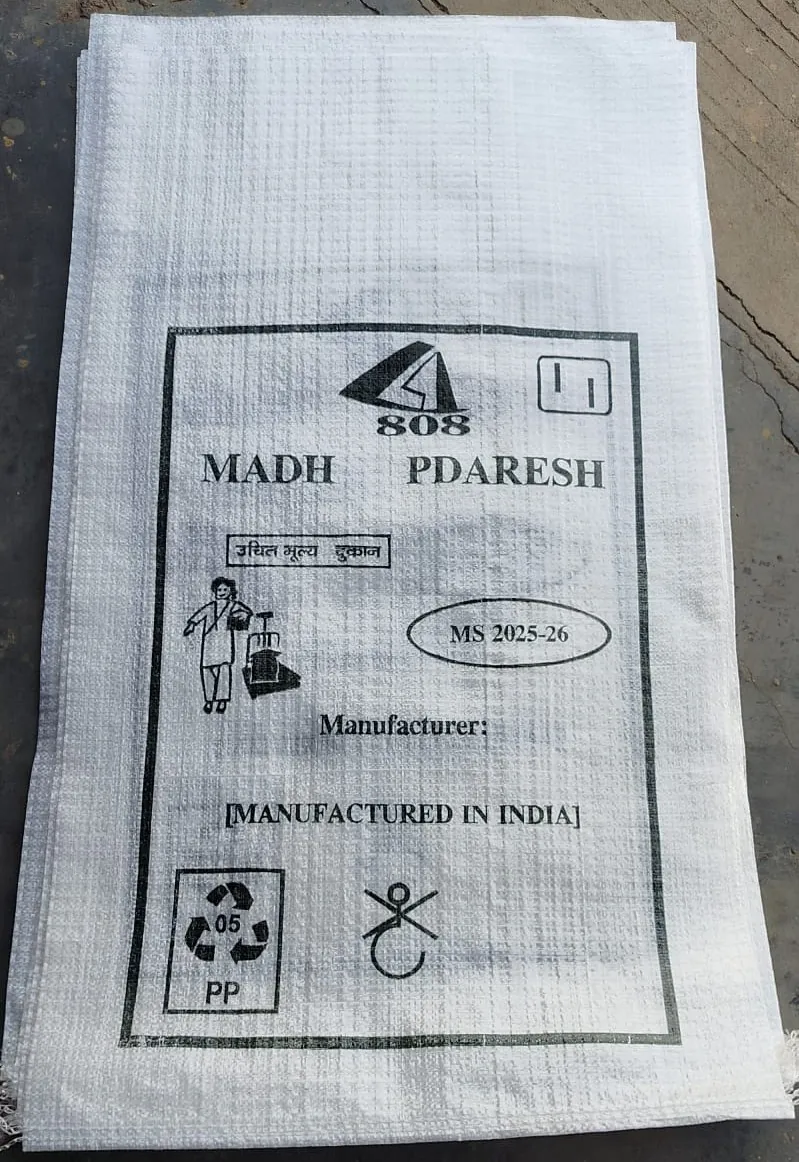
- Sizes: standard 25-50 kg sack formats plus custom dimensions for automated filling lines.
- Print: flexo brand marks; laminated variants where retail presentation is needed alongside grip.
Coating options and test data are on our anti slip bags product page, with the working technology explained in our coating technology guide.
Where Anti Slip Bags Earn Their Cost
- Chemical and mineral powders: heavy fills on tall pallets where one sliding layer collapses the column.
- Fertilizer and agrochemical exports: humid routes where slick coated bags would otherwise shear - the fertiliser case is in our fertilizer packaging guide.
- Food ingredients: flour, sugar and starch pallets stacked five-plus layers high.
- Automated warehouses: fills that must survive robotic handling cycles - the size maths is in our size chart guide.
When bags stack high on laminated slick surfaces, anti-slip measures are not optional - pallet wrap alone rarely compensates.
Manufacturing and Quality Control
Fabric is woven and coated in-house, with coating weight and pattern verified per batch. QC measures slip angle on production-coated samples, seam strength and coating adhesion through handling cycles. Test reports accompany consignments - the document that turns 'anti-slip' from adjective to specification. Trial quantities are available so buyers can run their own pallet tests before committing programme volumes.
How to Specify Your Order
Give us four things: fill and weight per bag, stack height and transport route, slip angle requirement, and print artwork. We propose fabric class and coating pattern, then supply samples for your pallet test. MOQ starts at pallet quantities; export programmes run container volumes with per-batch slip angle records. Lead time is typically 2-3 weeks. If your current pallets lean, send us the failure photos - the coating pattern usually fixes what extra stretch wrap was compensating for.
Frequently Asked Questions
What slip angle should anti slip bags achieve?
Programme buyers commonly specify angles well above plain coated fabric, sized to their stack height and transport vibration - we quote against the number your route demands.
Does the coating affect printing or filling?
No - coating is applied in patterns that leave fill mouths and print zones clean, and standard filling equipment runs unchanged.
Anti slip bags or more stretch wrap?
Wrap is a band-aid on slick surfaces; bag-to-bag friction fixes the cause. The layered approach - anti-slip bags plus light wrap - is the stable, cheaper system for tall stacks.
Siddhii Global manufactures anti slip bags and rolls at its Kalol, Ahmedabad plant for chemical, fertiliser and food exporters. Send your stack height and fill weight and we will quote coating classes with slip angle test reports.