Anti slip bags may seem like a simple product, but the technology behind their non-slip properties is actually quite sophisticated. Understanding how anti slip bags work can help businesses make informed decisions about the type of anti slip packaging that is best suited for their specific application. At Siddhii Global, we use advanced coating technologies and precision manufacturing processes to produce anti slip bags that deliver consistent, reliable performance in the most demanding industrial environments. This article takes a deep dive into the science and technology that makes anti slip bags an essential component of modern industrial packaging.
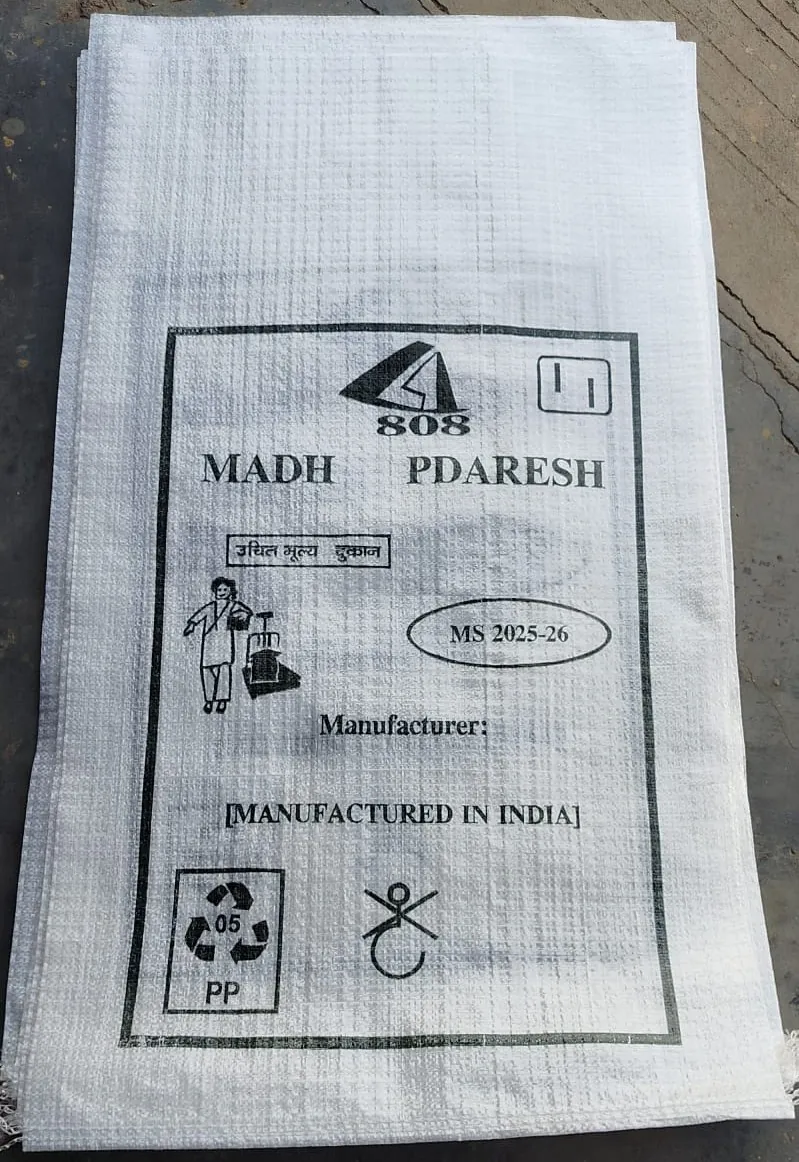
The fundamental principle behind anti slip bags is the increase in the coefficient of friction between the surfaces of stacked bags. The coefficient of friction is a measure of how much force is required to slide one surface over another. Regular PP woven bags have a relatively low coefficient of friction, typically between 0.3 and 0.4, which means that relatively little force is needed to make them slide against each other. This is why stacks of regular woven bags can shift or collapse during transportation, especially when subjected to vibration, acceleration, deceleration, or changes in road gradient. Anti slip bags, by contrast, have a coefficient of friction typically between 0.6 and 0.9, meaning that significantly more force is required to initiate sliding between the bags.
There are several types of anti-slip coatings used in the manufacture of anti slip bags, each with its own characteristics and advantages. The most common type is the rubber-based coating, which is applied to one or both surfaces of the bag in a pattern of dots, strips, or full coverage. Rubber-based coatings are cost-effective, provide good friction on dry surfaces, and are suitable for most general-purpose applications. Silicone-based coatings offer superior performance in wet or humid conditions, maintaining their grip even when exposed to moisture. This makes them ideal for products that are stored outdoors or in humid environments. Polyurethane-based coatings provide the highest level of performance, combining excellent friction with outstanding durability and resistance to wear, chemicals, and UV exposure.
The application of the anti-slip coating is a critical step in the manufacturing process that requires precision and consistency. At Siddhii Global, we use computer-controlled coating machines that apply the anti-slip material in precise patterns and thicknesses, ensuring uniform coverage and consistent performance across every bag in the production run. The coating is applied after the weaving process and before the cutting and stitching operations, and it is cured at controlled temperatures to ensure proper adhesion to the fabric surface. We also perform coefficient of friction testing on every batch of coated fabric using calibrated tribometers, verifying that the anti-slip performance meets our stringent specifications before the fabric is converted into finished bags.
The effectiveness of anti slip bags depends not only on the quality of the coating but also on the design of the bag itself. Factors such as the fabric construction, bag shape, filling method, and stacking pattern all influence the overall stability of a palletized load. Siddhii Global's packaging engineers can provide expert guidance on all these factors, helping you optimize your packaging and logistics operations for maximum safety and efficiency. Contact our technical team at sales@siddhiiglobal.com for a comprehensive assessment of your anti slip packaging requirements.