When a chemical exporter from Ankleshwar asks us why their FIBC quote varies so much across suppliers, the answer is almost always in the specification sheet they did not read closely enough. U-panel FIBC bags look similar from outside; the fabric GSM, loop type, top/bottom configuration and safety factor inside can swing price 30% — and product safety more than that. This is the specification walkthrough we do with every serious bulk buyer.
What Makes U-Panel Construction Different
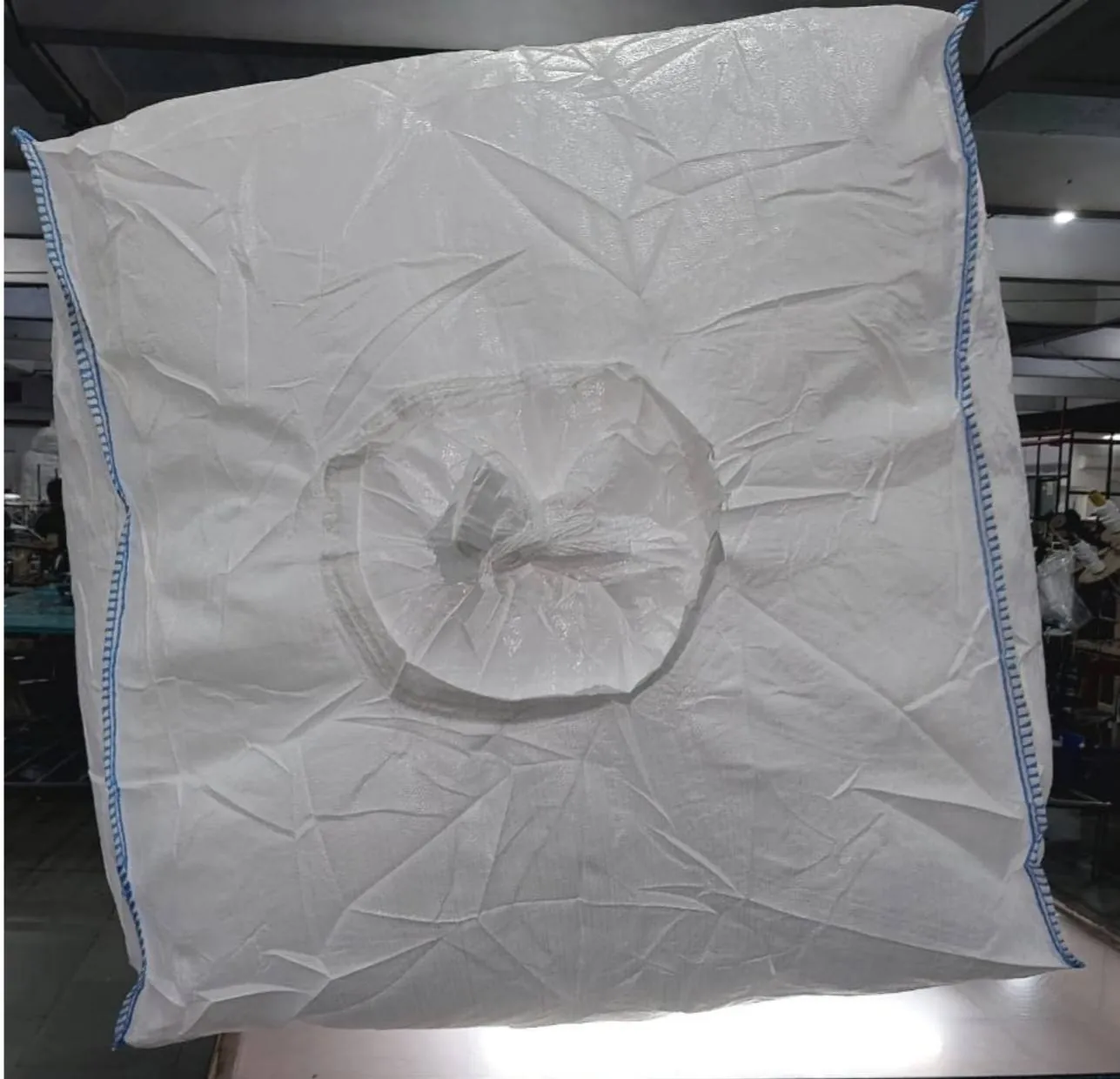
A U-panel FIBC uses two full-length fabric panels that fold under the bag forming a "U", closed by two side panels. Compared to 4-panel construction, the U-panel gives better box-shape retention, more uniform load distribution and — important for buyers — efficient fabric utilisation that keeps cost reasonable. Circular FIBC remains popular for fine powders (fewer seams), but U-panel is the workhorse construction for the Indian export market, which is why our U-panel FIBC line runs the widest spec range.
SWL and Safety Factor — Read This Before Signing Anything
Safe Working Load (SWL) is what the bag may carry in service. Safety Factor (SF) is the test multiplier — a 5:1 SF bag must survive testing at 5x its SWL without failure. Standard combinations in Indian production:
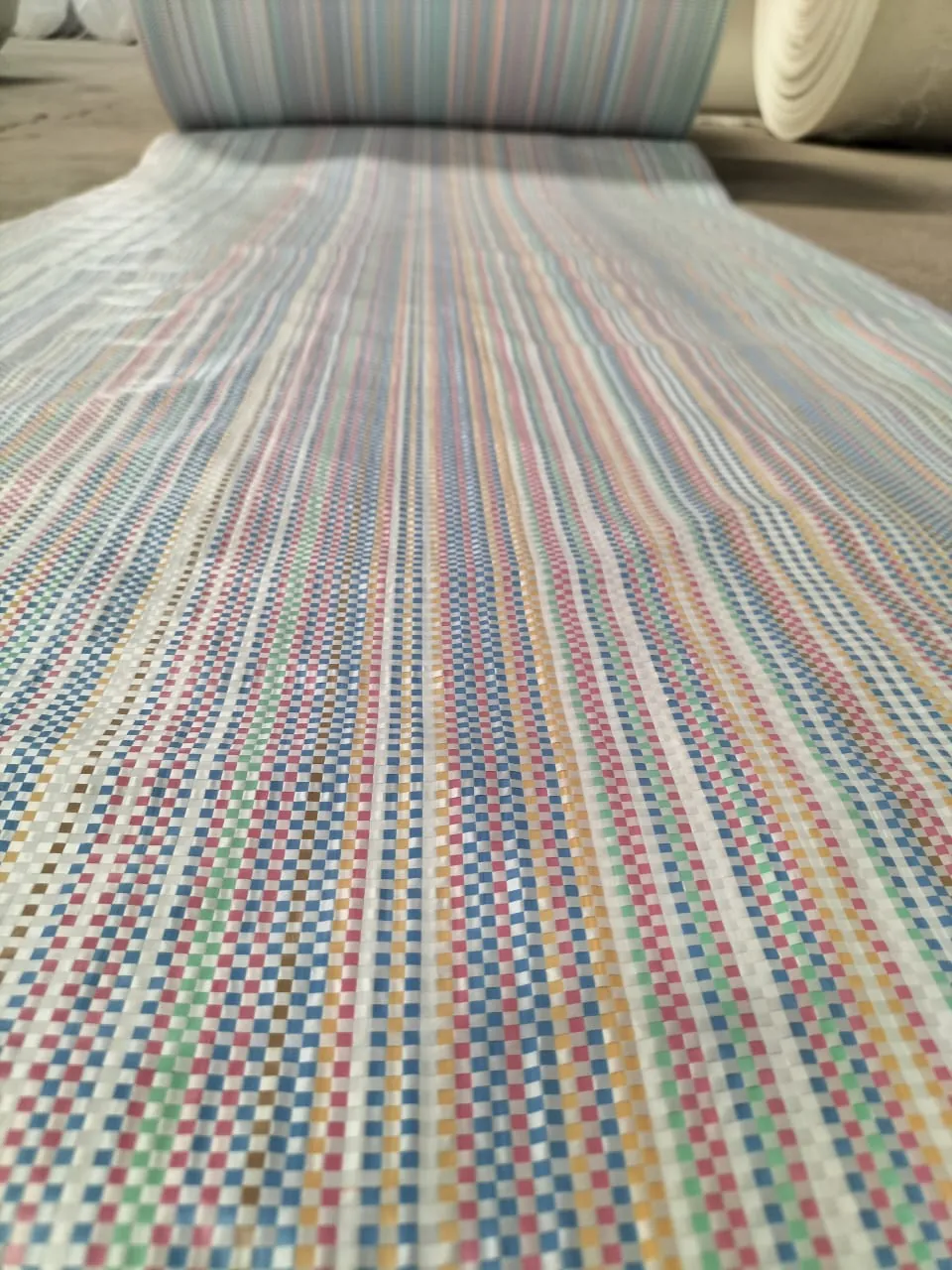
- 500 kg SWL: typically 130-140 GSM fabric, 4 cross-corner loops
- 1000 kg SWL: 150-170 GSM fabric — the industry's most common spec
- 1500 kg SWL: 180-200 GSM fabric, reinforced lifting points
- 2000 kg SWL: 200-220 GSM fabric, cross-corner loops mandatory in practice
SF 5:1 is the single-trip standard; SF 6:1 applies to multi-trip and UN-certified designs. A quote that omits SF is not a quote — it is a lottery ticket. Bag weight alone tells you fabric GSM; our sales engineers share the full spec sheet per design as standard practice.
Top and Bottom Configurations
- Top: open top (fast filling, dust exposure), top skirt (dust control with manual filling), filling spout (matched to your filling head), duvet/spout combinations
- Bottom: flat bottom (discharge by bag inversion — messy), discharge spout (controlled unloading), full-open bottom with petal closure (fast complete discharge)
Configuration must match your filling and discharge equipment — spout diameters and lengths exist for this reason. We ask for the client's filling system drawing at order stage; a 50mm diameter mismatch stops a packing line for a day.
Pricing for Indian Buyers (2026)
FIBC is quoted per piece or per kg. Indicative ex-works Gujarat rates:
- 1000 kg SWL, SF 5:1, 160 GSM, open top/flat bottom: ₹380-520 per bag
- 1000 kg SWL with top and bottom spouts: ₹420-580 per bag
- 2000 kg SWL, SF 5:1, 210 GSM: ₹620-850 per bag
- UN-certified designs: add ₹60-120 per bag for certification-driven construction and testing
- Per-kg contract basis: ₹55-78 per kg by spec and volume
Rates exclude 18% GST and freight. Container loading efficiency matters — flat, well-baled bags load 20% more per container than poorly packed ones, which is landed-cost relevant for export buyers.
UN Certification — When It Is Not Optional
Hazardous goods (UN classes covering dangerous chemicals) legally require UN-certified FIBC for transport. Certification is design-specific and manufacturer-specific — buying "UN-type" bags from a non-certified producer is buying a liability. The certification test regime covers vibration, topple, tear, and lift testing on the exact design. We covered the full compliance picture in our UN-certified FIBC sourcing guide, and the top mistakes importers make sourcing FIBC from India is worth ten minutes before your first order.
Liners, UV and Anti-Static Options
Moisture-sensitive powders need inner PE liners (form-fit liners for fine powders); outdoor storage before use requires UV stabilised fabric — a written UV declaration, not a verbal assurance. Flammable powders need Type B, C or D anti-static construction matched to the product's ignition properties. Each option adds cost; each omits risk. The disciplined approach: spec the product's hazard profile first, then build the bag spec from it, not the other way around.
Frequently Asked Questions
What is the price of a 1 ton FIBC jumbo bag in India?
Indicative 2026: ₹380-580 per bag depending on configuration (open top vs spouts), fabric GSM 150-170 and order volume. UN-certified and lined variants cost more. Rates are ex-works, excluding GST and freight.
What does 5:1 safety factor mean in FIBC bags?
The bag is tested to carry 5 times its Safe Working Load without failure — a 1000 kg SWL bag at 5:1 must pass testing at 5000 kg. 6:1 applies to multi-trip and UN-certified designs.
Which is better — U-panel or circular FIBC?
U-panel holds box shape better and utilises fabric efficiently; circular has fewer seams for fine powder containment. Indian export trade predominantly uses U-panel; both are correct when specced to the product.
Do FIBC bags need UV stabilisation?
Yes whenever bags will be stored or used outdoors even temporarily. Unstabilised polypropylene degrades in weeks of strong sun. Get the UV declaration in writing with the specification sheet.