Converters — the businesses that buy woven fabric rolls and convert them into bags, tarpaulins and covers — live and die by GSM discipline. Buy 10 GSM heavier than the job needs and your margin disappears silently across a container. Buy lighter and your customer's bags split in the market, taking the next order with them. This guide is the GSM selection framework we use with converter customers of our woven fabric line, plus the pricing logic that makes per-kg quotes comparable.
PP vs HDPE Woven Fabric — Quick Material Orientation
PP woven fabric is stiffer, has better heat tolerance and dominates bag-making. HDPE woven fabric is softer-handling, better in cold, and dominates tarpaulin and cover applications. Both weave on the same looms and both price similarly — the choice is application-driven, not cost-driven. If you are new to conversion, our PP vs HDPE fabric comparison walks the full technical comparison.
GSM Selection by Application
- 50-60 GSM: lightweight single-use bags, liners, separation layers — economy segment
- 60-80 GSM: standard carry bags, 10-25 kg produce bags, light wrapping
- 80-110 GSM: the converter's bread and butter — 25-50 kg bags, standard tarpaulin base, general wrapping
- 110-160 GSM: heavy-duty bags for cement/fertiliser, premium tarpaulins, repeated-use covers
- 160-220 GSM: industrial wrapping for steel coils, heavy covers, geotextile-adjacent uses
For tarpaulin makers specifically: 80-100 GSM base with proper lamination handles standard covers; 120-160 GSM is the monsoon-grade territory where brand reputations are made and lost.
Width and Lamination Decisions
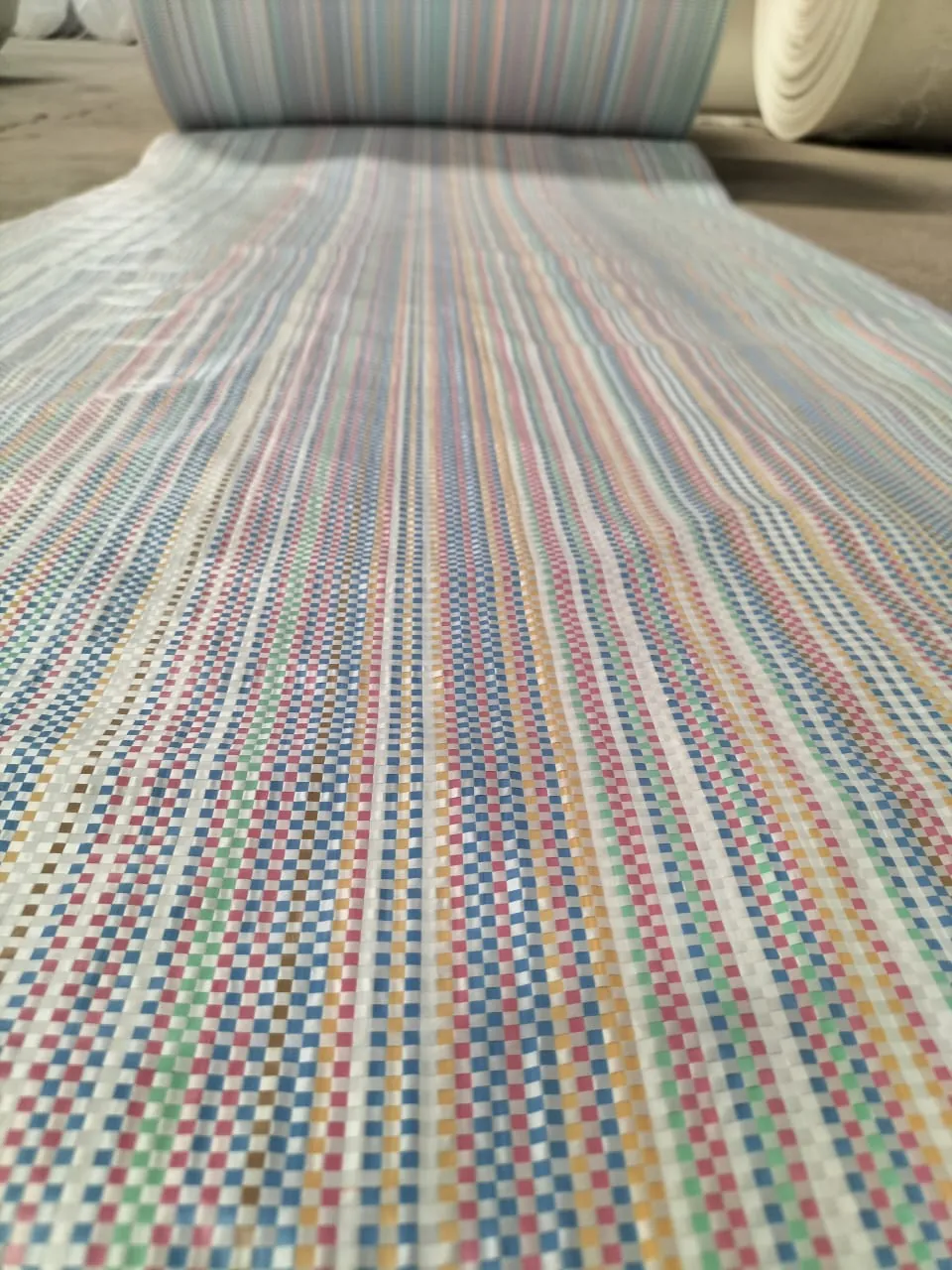
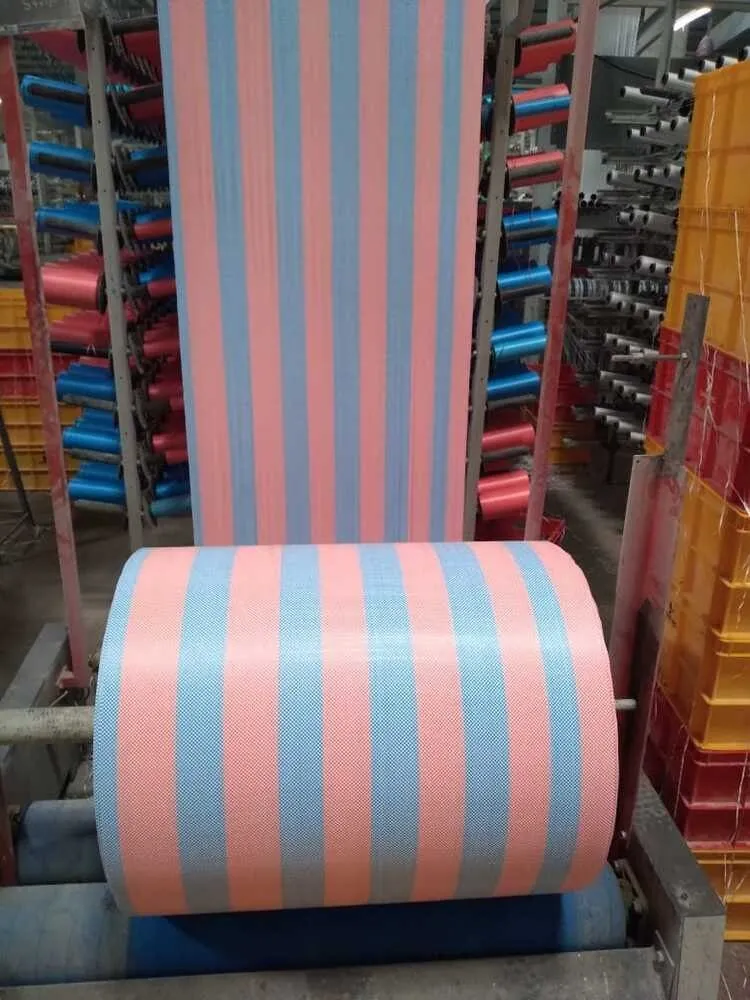
Fabric runs 30cm to 200cm width in rolls. Wider rolls mean fewer joins in tarpaulin work — 150cm+ is worth the premium for large covers because every stitched join is a potential leak point. Lamination choices: single-side PP/PE lamination for water resistance (the tarpaulin standard), double-side for aggressive outdoor exposure, and unlamination for breathable applications like produce bags. Laminated fabric weighs more per square metre at the same nominal GSM — compare quotes on the same lamination basis or the comparison is meaningless.
Pricing Logic for Converters (2026)
Fabric is quoted per kg. Indicative ex-works Gujarat rates:
- Unlaminated PP woven fabric: ₹85-105 per kg by GSM and volume
- Laminated PP woven fabric: ₹92-115 per kg
- HDPE woven fabric: ₹88-110 per kg
- UV-stabilised grades: add ₹6-12 per kg
Rates exclude 18% GST and freight. The per-kg number alone is half the story — the other half is per-square-metre cost at your working GSM, because that is what your product actually consumes. A converter buying at ₹95/kg for 90 GSM fabric pays ₹8.55 per square metre before lamination; tracking that number is what separates profitable converters from busy ones.
Consistency — The Spec That Never Makes Quotes
Here is what experienced converters actually pay for: GSM consistency across the roll and across deliveries. Fabric specified at 90 GSM that runs 84-96 across a delivery wrecks converter economics two ways — light areas produce weak product, heavy areas waste your money, and both destroy your costing. When auditing a new fabric supplier, weigh samples cut from roll start, middle and end across three rolls. Variance beyond ±4% is a red flag. Our weaving operation runs loom-mapped GSM monitoring precisely because inconsistent fabric jams converting machines and margins.
Handling and Storage for Fabric Rolls
Woven fabric rolls stored in humid godowns for months develop edge damage and moisture staining that converters eat as waste. Store rolls vertically on end-caps, off concrete floors, FIFO discipline, away from dock-door thermal cycles. Cut waste from damaged edges typically runs 2-5% of roll weight — for a converter running 10 tonnes monthly, that is ₹8,500-10,500 monthly recoverable through storage discipline alone.
Frequently Asked Questions
What is the price of PP woven fabric per kg in India?
Indicative 2026: ₹85-105 per kg unlaminated, ₹92-115 laminated, ex-works Gujarat. UV grades add ₹6-12 per kg. Rates track PP granule prices, so confirm quote validity.
Which GSM woven fabric for 50 kg bags?
80-110 GSM covers most 50 kg applications; sharp-edged contents and rough handling push toward 110-160 GSM. Drop-test at your filling weight before finalising — GSM charts are starting points, not guarantees.
What GSM fabric for tarpaulins?
80-100 GSM laminated base for standard covers; 120-160 GSM for monsoon-grade and repeated-use tarpaulins. Wider rolls (150cm+) reduce joins and leak points on large covers.
How do I check woven fabric quality before bulk buying?
Cut samples from start, middle and end of three rolls and weigh for GSM variance (±4% maximum acceptable). Check weave uniformity against light, and tear a strip — quality fabric tears with resistance along consistent lines.