Every food brand founder I meet has brilliant product ideas and a half-page of packaging knowledge — usually borrowed from a competitor's shelf. Then they get quotes that vary 40% for "the same" pouch and wonder why. The truth is pouch pricing is all about structure: which films, which barrier, which printing. This guide is the conversation we have with every new food brand that walks into our Kalol plant, written out properly.
What "Multilayer" Actually Means (And Why Single Layers Fail)
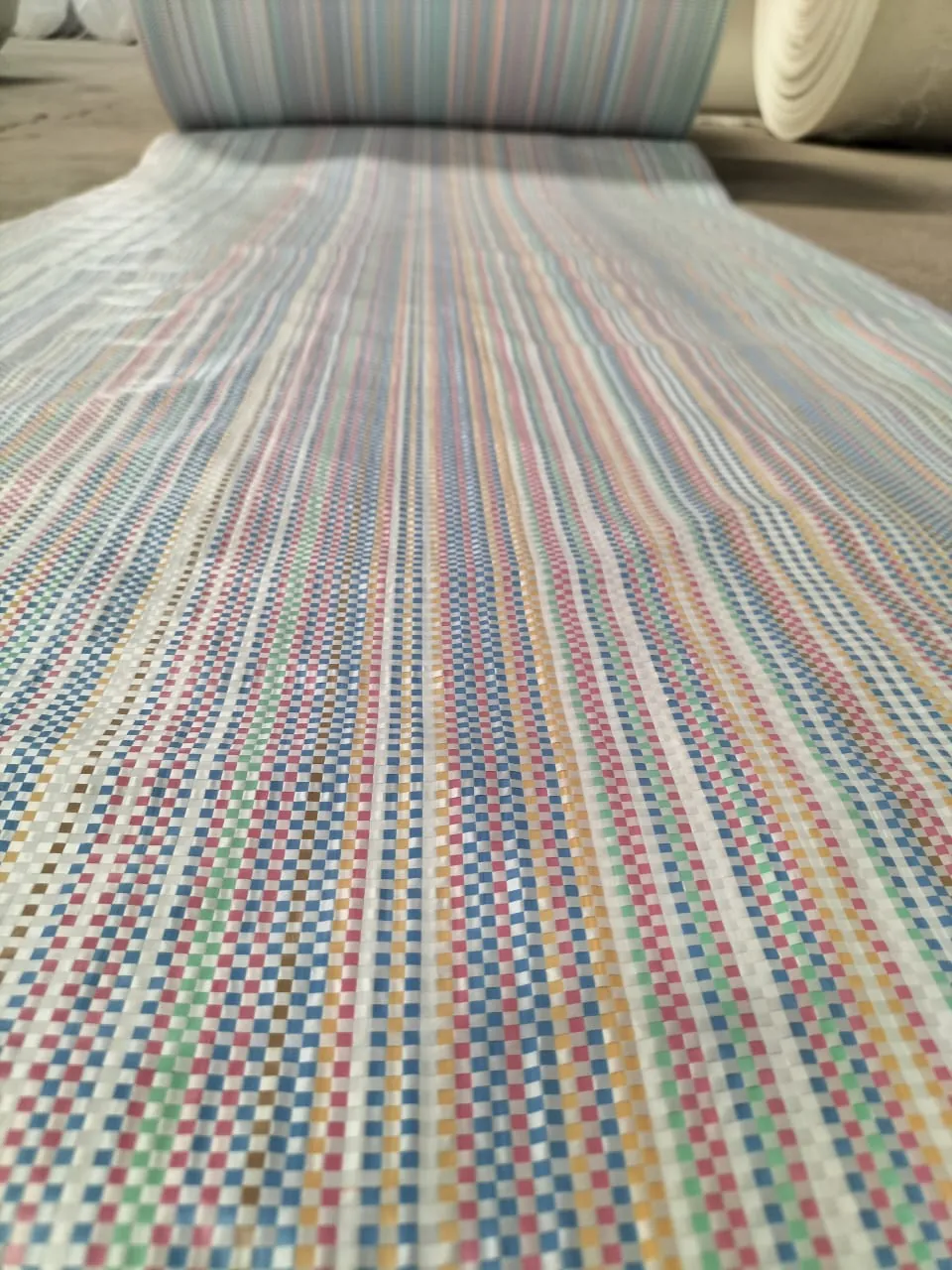
A multilayer pouch laminates 2-3 different films, each doing a specific job. A typical namkeen pouch structure is PET (12 micron, for print strength) + metallised polyester or foil (barrier against light and oxygen) + poly (heat-sealable food-contact layer). Single-layer poly pouches are fine for short shelf-life breads and sweets, but spices, snacks and anything with oil need barriers or the product goes rancid on the shelf within weeks. The layer stack is printed between films — that is why multilayer print does not scratch off like surface printing on single layers.
FSSAI Compliance — What Food Brands Must Confirm
Food contact packaging in India falls under FSSAI packaging regulations, with material-specific requirements. Practical checklist for brands:
- Ask for food-grade declaration on the specific resin batch, not a marketing flyer
- Confirm compliance with FSS (Packaging) Regulations — migration limits matter for oily and acidic foods especially
- For exports, US FDA and EU 10/2011 declarations open export doors — we supply certified material for both markets
- Keep batch traceability records; FSSAI inspections increasingly ask for them
A manufacturer who cannot produce per-batch food-contact certificates is not a food packaging supplier, whatever their brochure says. We maintain certification for our food grade pouches line and share it with every consignment.
Pouch Styles and Where Each Fits
- 3-side seal: cheapest, sachets and sample packs
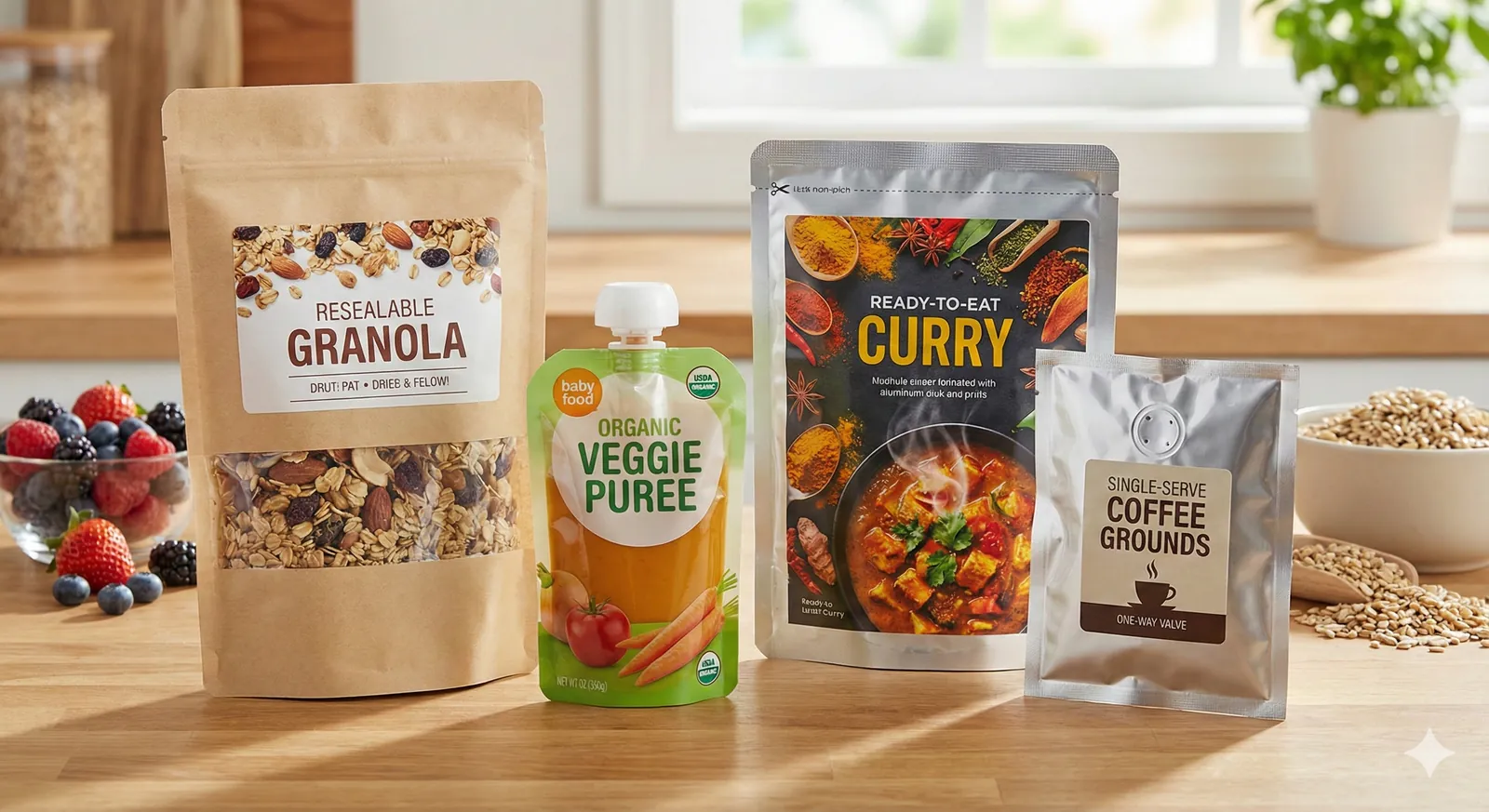
- Stand-up (doypack): the retail shelf favourite, self-supporting with base gusset
- Zipper stand-up: repeat-use products — dry fruits, spices, snacks
- Gusseted centre-seal: rice, flour, pulses in 500g-5kg
- D-cut / handle pouches: takeaway and delivery packaging
Style choice affects both material usage and conversion cost, which is why two quotes for "500g snack pouch" can differ 30% — one is 3-side seal, the other stand-up with zipper.
Realistic Pricing for Indian Brands (2026)
Pouch pricing depends on structure, size and quantity. Indicative ex-works ranges for standard structures:
- Simple PET+POLY (chips, snacks): ₹1.20-2.50 per piece at 50g-100g sizes (MOQ quantities)
- PET+MET-PET+POLY (spices, masala): ₹1.80-3.50 per piece
- PET+FOIL+POLY (high barrier, premium): ₹2.50-5.00 per piece
- Stand-up with zipper: add ₹0.60-1.20 per piece over basic
- Bulk per-kg conversion basis: ₹280-420 per kg by structure
Rotogravure printing needs cylinder tooling — ₹3,500-6,000 per colour, one-time per design. For a 4-colour artwork that is ₹14,000-24,000 upfront, amortised over your print run. MOQs for printed pouches typically start at 25-50 kg per design. Rates exclude 18% GST and freight, and they track film prices which move monthly.
Printing: Rotogravure vs Digital for New Brands
Established brands default to rotogravure — best quality, lowest per-unit cost at volume, but cylinders make small runs expensive. New brands testing recipes should consider digital or surface-printed short runs despite higher per-unit cost, then switch to rotogravure once a SKU stabilises. We run both conversion routes and advise clients honestly based on their volumes. Our guide on how multilayer pouches preserve freshness covers barrier science in more depth for technically minded buyers.
Shelf-Life Testing — The Step Most Brands Skip
Before committing to a full production run, run accelerated shelf-life testing with the actual product inside the actual pouch — real fill, real seal, stored at elevated temperature. We have seen brands save lakhs by discovering at sample stage that their oil-rich product needed foil instead of metallised film. Any serious manufacturer offers structure consultation at sample stage. If your supplier just asks "how many thousand pouches?" without asking what product goes inside, find a better supplier.
Frequently Asked Questions
What is the MOQ for custom printed food pouches in India?
Typically 25-50 kg per design for rotogravure printed pouches because of cylinder tooling economics. Some converters offer lower MOQs on digital printing for trial batches at higher per-unit rates.
How much does a stand-up pouch cost in India?
Indicative 2026: ₹1.80-5.00 per piece depending on size, structure (MET-PET vs foil) and zipper inclusion, at commercial quantities. Per-kg conversion basis runs ₹280-420. Rates exclude GST and tooling.
Which pouch structure is best for spices?
PET + metallised polyester + poly is the value workhorse for most spice powders. Products with high volatile oil content (cardamom, premium masalas) justify full foil structure for extended aroma retention.
Is metallised film as good as aluminium foil?
For most applications, metallised film delivers 80-90% of foil's barrier at lower cost. Full foil wins for oxygen-extreme products, long export transits and premium positioning. Test both at sample stage with your product.