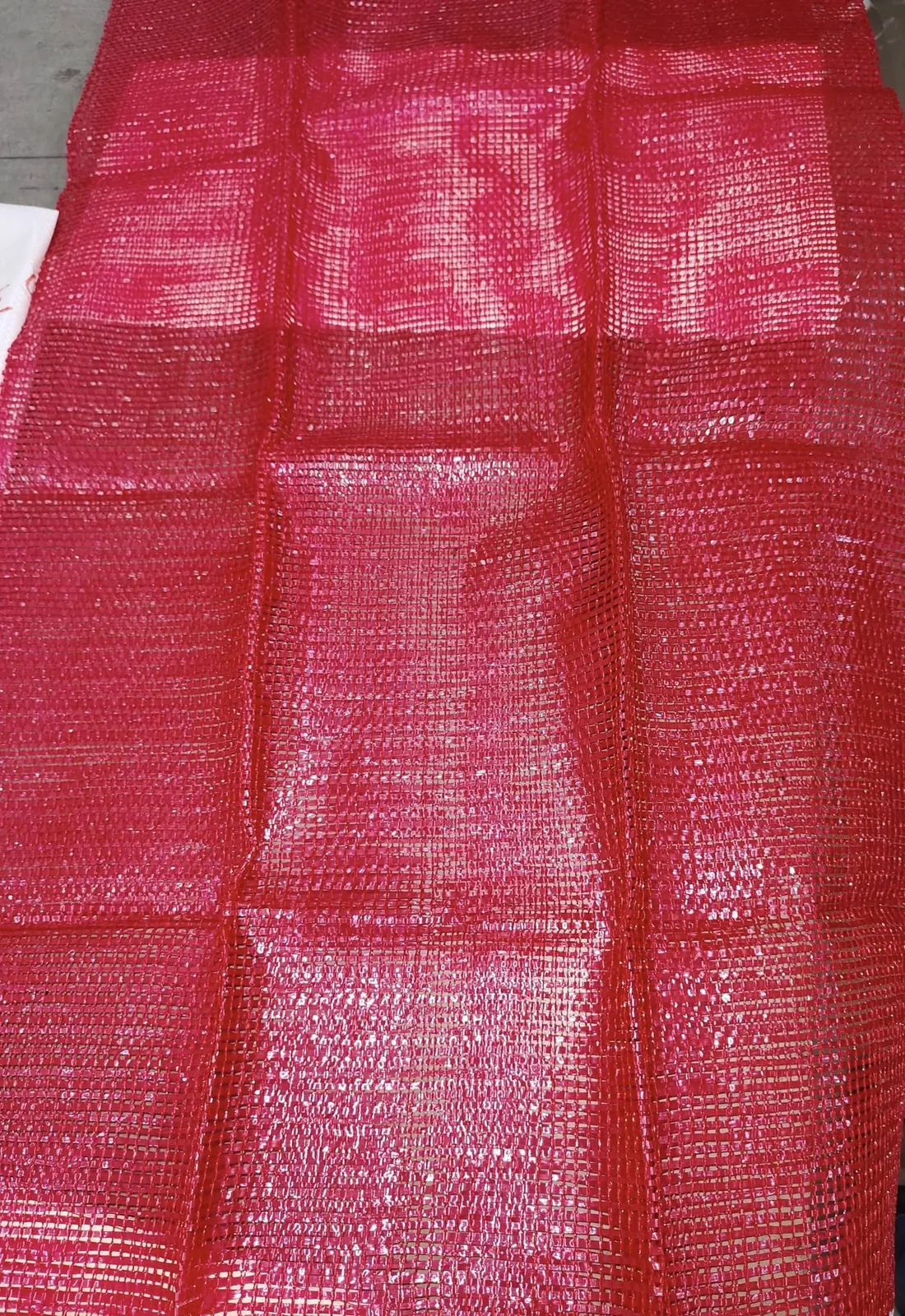
Walk through any APMC mandi in Maharashtra or the cold stores of Agra and you will notice one thing instantly: produce that arrives in good leno mesh bags sells better and spoils slower. Leno bags look simple — an open-weave polypropylene mesh — but choosing the wrong mesh count or bag size quietly costs traders thousands in spoilage every season. I have supplied leno bags to onion exporters in Nashik and potato packers across UP for years, and this guide covers exactly what we tell first-time buyers.
Why Leno Mesh Beats Jute and Closed Bags for Produce
Onions and potatoes keep breathing after harvest. Seal them in a closed PP bag and trapped moisture invites rot within days, especially during Indian summers and monsoon road transit. Leno mesh allows continuous air movement around the produce, which does two things: reduces humidity build-up inside the pile, and lets heat dissipate during truck and container transport. Jute is breathable too but carries fungal contamination risk between seasons, weighs more (you pay freight on the bag), and sheds fibres onto food-grade produce. Once a buyer switches to leno, they rarely go back.
Mesh Count and Size — What the Trade Actually Uses
Mesh count refers to the number of tapes per unit area — finer mesh for smaller produce, coarser for large items. The standard combinations in the Indian market:
- Fine mesh (40-50 GSM class): garlic, small onions, green chillies — stops produce slipping through
- Medium mesh (50-60 GSM class): standard onion bags 5-25 kg, potatoes, citrus
- Coarse mesh (60-80 GSM class): large potatoes, coconuts, sweet potatoes in 25-50 kg lots
Capacity-wise, the popular sizes are 5 kg, 10 kg, 25 kg and 50 kg. Retail-facing packs (5 and 10 kg with drawstring or heat-cut top) dominate modern trade and export consignments, while mandi movement still happens largely in 25 and 50 kg open-top bags stitched or knotted shut.
Leno Bag Price Range in India (2026)
Leno mesh bags are priced per piece, and the rate swings with GSM, UV additive content and closure type. Indicative ex-works Gujarat rates for 2026:
- 5 kg mesh bag: ₹1.20-1.80 per piece
- 10 kg mesh bag: ₹1.60-2.40 per piece
- 25 kg mesh bag: ₹2.40-3.50 per piece
- 50 kg mesh bag: ₹3.50-5.00 per piece
- UV-stabilised variant (for open storage): add ₹0.30-0.60 per piece
Coloured leno (yellow, red, orange) used for grade identification costs marginally more than natural white. Volume pricing kicks in strongly above 50,000 pieces per size. Rates exclude 18% GST and freight, and they move with PP granule prices, so treat any number older than a month as indicative only.
UV Stabilisation — The Detail Exporters Insist On
Domestic mandi trade often uses non-UV leno bags that sit in trucks and sheds for days. But if your produce will sit in open yards, port storage or long transit, UV-stabilised fabric is non-negotiable. Unprotected polypropylene starts photo-degrading within weeks of strong sunlight — I have seen non-UV bags split open under their own load after a summer in an open yard. UV additive adds about 10-15% to bag cost and extends outdoor life from weeks to several months. Every export consignment we produce carries UV stabilisation as standard.
What to Check Before Placing a Bulk Order
- Mesh uniformity: ask for a sample and stretch it — uneven weave means weak points that tear under pile pressure.
- Seam strength: the bottom stitch is where cheap bags fail; request the drop test result for your filling weight.
- Weight per piece consistency: weigh 10 random bags from a sample lot; variance beyond ±5% signals sloppy production.
- Closure style: drawstring for retail, heat-cut for machine filling, stitched for manual mandi use — decide based on your packing line.
If you are comparing suppliers, our leno mesh bags manufacturing line at Kalol serves both APMC traders and exporters with the same QC standard. Buyers packaging premium produce may also want to look at why leno mesh is the global standard for breathable produce packaging, where we go deeper into export packing configurations.
Storage and Reuse — Getting More From Every Bag
A well-made leno bag survives 3-5 fill cycles in domestic trade if handled decently. That changes the cost maths significantly: a ₹3 bag used four times costs ₹0.75 per cycle. To get that life, keep bags away from direct sun during storage, avoid dragging loaded bags across rough floors, and patch or downgrade torn bags to lighter duty instead of binning them. Export-grade bags usually get retired after one cycle for food-safety reasons, but domestic cycle reuse is standard and sensible.
Frequently Asked Questions
Which mesh size is best for onion packaging?
Standard Nashik-grade onions (45-60 mm) work well in medium mesh 10-25 kg bags. Smaller export-grade onions need fine mesh so bulbs do not slip through. Always test with your actual produce grade before ordering in bulk.
What is the price of a 25 kg leno mesh bag in India?
Indicative 2026 rates are ₹2.40-3.50 per piece ex-works for natural colour medium mesh. UV-stabilised and coloured variants cost extra. Volume above 50,000 pieces gets better rates.
Are leno bags food safe for vegetables?
Yes, virgin polypropylene leno bags are inert and food-contact safe. Confirm the manufacturer uses 100% virgin material — reprocessed fabric may carry contaminants and is unsuitable for direct food contact.
Can leno mesh bags be printed with our brand?
Yes, woven-in colour bands and surface printing are both possible. Woven-in branding survives handling better; printed labels suit short-cycle retail packs. We offer both from our Kalol facility.