Half a tonne of product hanging from four loops is not the place to discover what a specification shortcut costs. The U panel FIBC earns its place as the workhorse bulk bag because four shaped side panels create a square, stable body that stacks and fills predictably - but only when the fabric, seams and loops are built to the rating stamped on the label. This guide explains the U panel construction the way buyers should read it.
U Panel FIBC Specifications That Matter
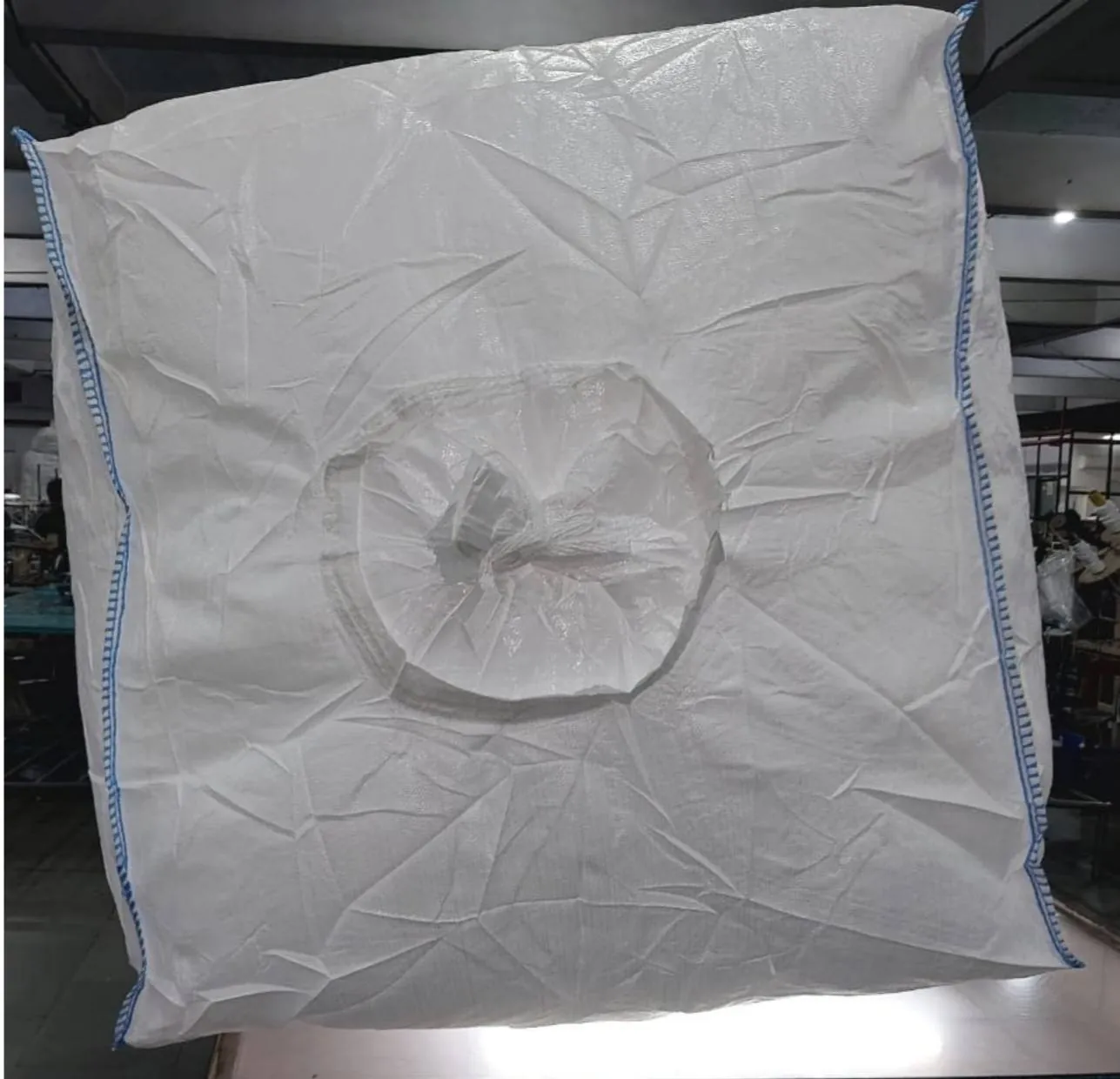
- Construction: two full-length U-shaped side panels plus two side panels - seams run vertically, load transfers through the panel body, not just the seams.
- SWL ratings: 500 to 2000 kg, with the industry-standard 5:1 safety factor (6:1 for UN-certified hazardous duty) - the factor is proven by type testing, not asserted.
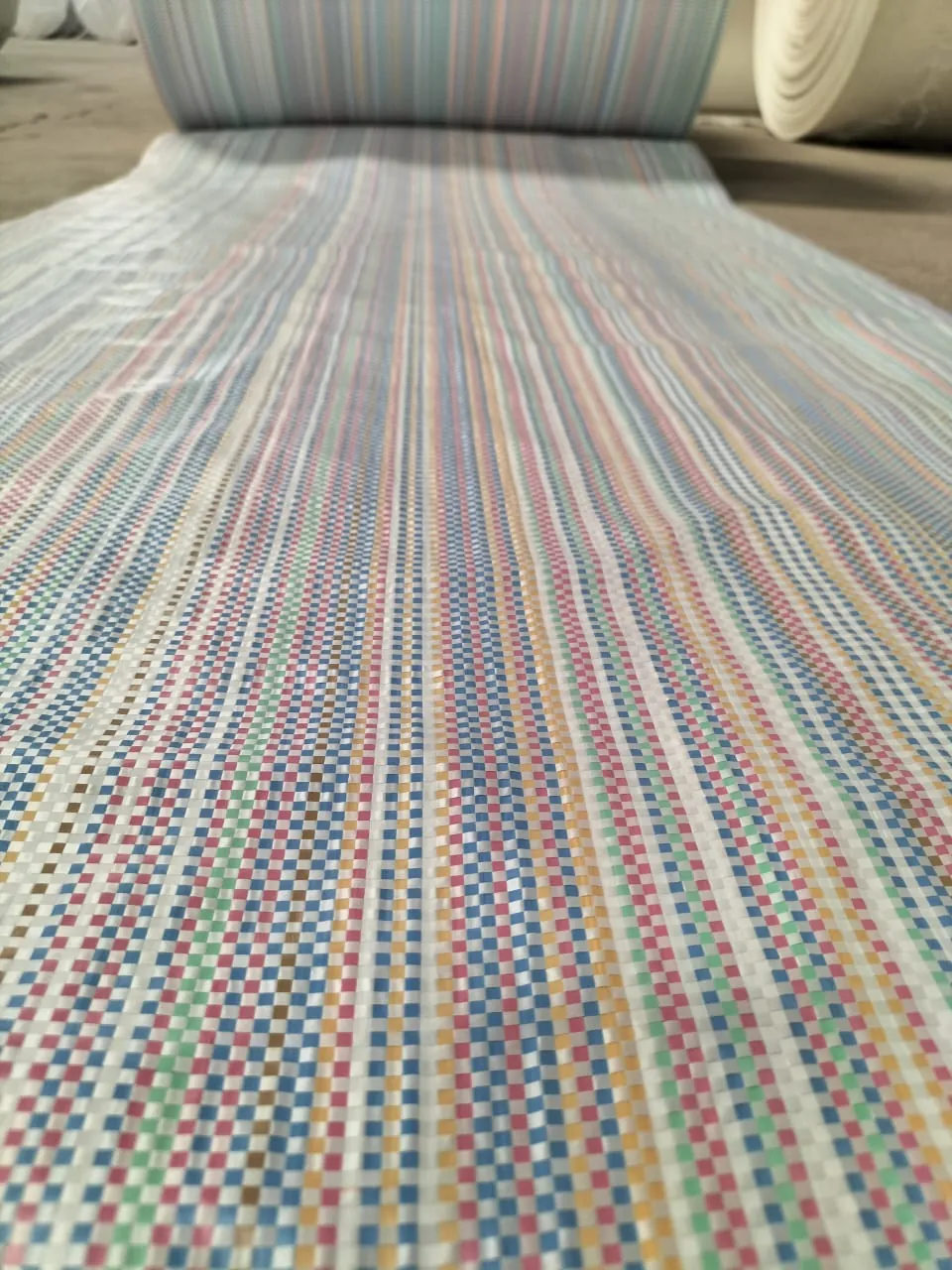
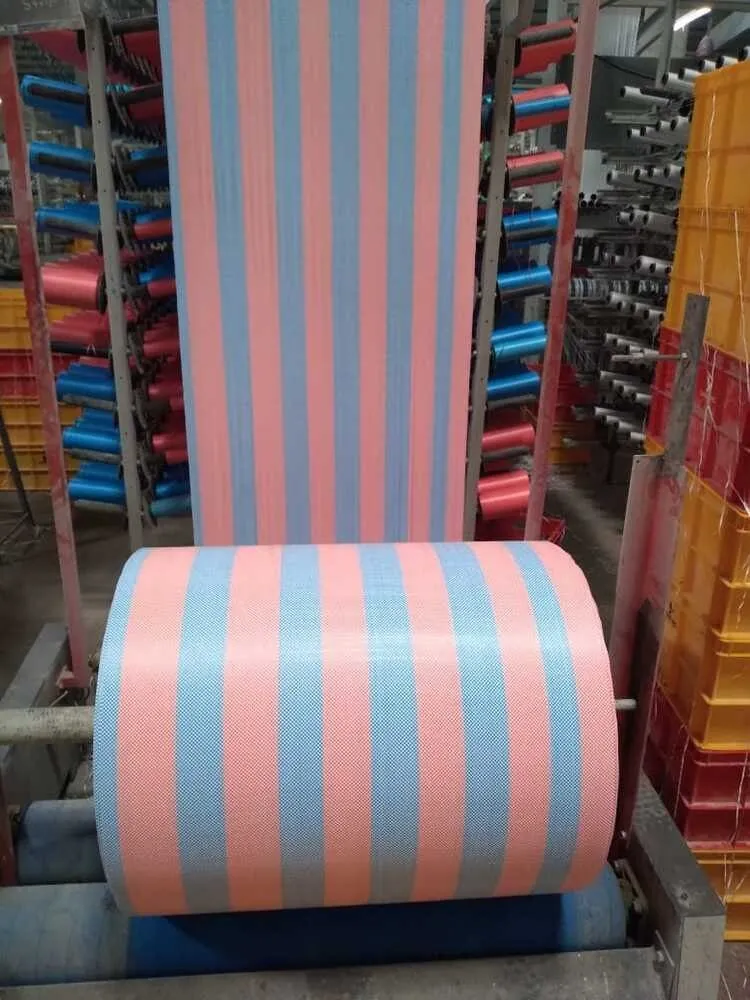
- Fabric: 90 to 220 GSM woven PP with UV stabilisation for outdoor storage; coated or uncoated depending on sifting needs.
- Loops: cross-corner or corner loops, height sized to fork and crane handling; lifting ratio matters as much as fabric.
- Options: top skirt, filling spout, discharge spout with petal or star closure, document pouch, liner-ready bodies, B-affixation for UN duty.
Construction and certification options are on our U panel FIBC product page, and the structural comparison is in our bulk standard guide.
Where U Panel Bags Outperform
- Resins, powders and granules: square-bodied stability stacks higher in containers and warehouses.
- Construction materials: sand, aggregates and premixes that punish weak seams.
- Food and pharma powders: with form-stable liners for moisture and contamination control.
- Minerals and chemicals: UN-certified variants for hazardous fills - the certification path is in our specifications guide.
Against circular construction, U panel wins on stacking stability and shape retention; circular wins on lower fabric usage. Both are built at our plant, so we quote whichever genuinely fits the fill.
Manufacturing and Quality Control
Fabric is woven in-house with UV masterbatch metered at extrusion. Seams carry chain or double stitching with reinforcement at lift points; every production batch undergoes lift testing on sample bags to the declared SWL, and UN-certified production follows the tested type with batch traceability. QC records - fabric GSM, tensile, seam and lift test results - ship with each consignment, which is what serious bulk buyers audit before approving a supplier.
How to Specify Your Order
Give us five things: product and bulk density, SWL, filling and discharge style, liner requirement, and storage environment (UV exposure decides the stabilisation package). MOQ starts at pallet quantities for standard sizes; container programmes run mixed sizes with per-batch test records. Lead time is typically 3-4 weeks, longer for UN-certified first orders. Ask for the lift test protocol with your quote - a manufacturer who tests bags is a manufacturer whose bags you can stack.
Frequently Asked Questions
What does the 5:1 safety factor actually mean?
A 1000 kg SWL bag must withstand 5000 kg in type testing - three times the service load for six hours plus cyclic lifting - proving reserve strength far beyond normal handling.
U panel or circular FIBC for my powder?
Choose U panel for stacking stability and shape retention in warehouse and container programs; choose circular when fabric economy matters more than a square body.
Are liners required for resins?
Not for moisture-tolerant granules in dry climates; hygroscopic powders, food fills and long sea routes justify a form-stable liner fitted at filling.
Siddhii Global manufactures U panel and circular FIBC bags at its Kalol, Ahmedabad plant with in-house weaving and certified lift testing. Send your product, density and SWL and we will quote the bag with test records attached.