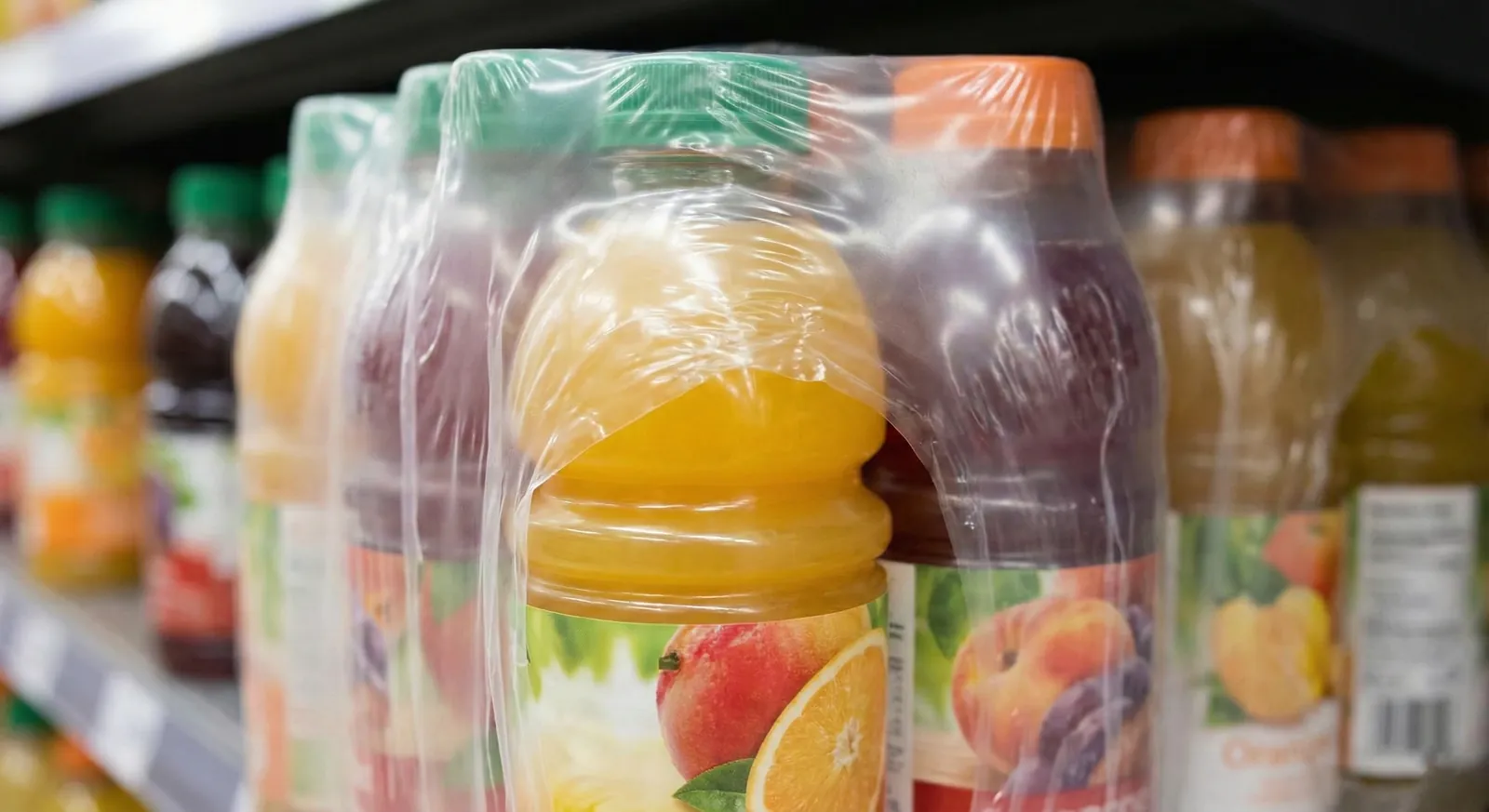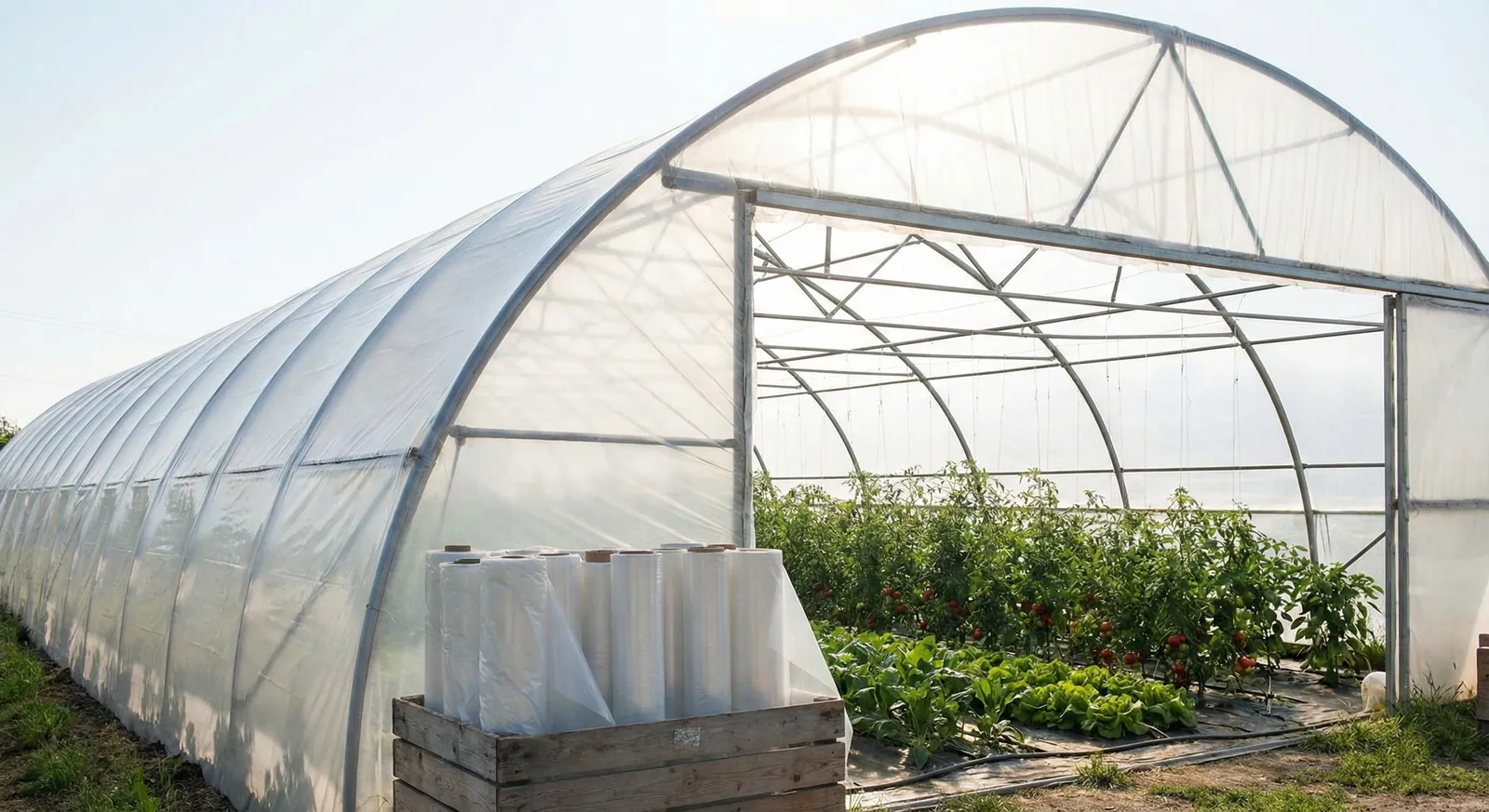
Germany runs two enormous silage economies in parallel. The first is the dairy sector, wrapping and bunkering maize and grass silage the way European dairies have for decades. The second is less visible from outside: the biogas sector, where energy maize is chopped, ensiled and fed to digesters that generate a meaningful share of German electricity. Both buy silage film at industrial scale, and both are technically demanding customers. Here is how the applications and specifications actually break down.
Applications: dairy and biogas
Dairy operations run round bale wrap — 20 to 25 micron multi-layer film, black or white-black, high stretch — plus bunker films and underlayment sheets on larger operations. The biogas sector runs the same film over far larger volumes: energy maize chopped at harvest, packed into clamp silos, sealed with oxygen barrier film and weighted for months of fermentation. The biogas application punishes sloppy film hardest — a clamp that breathes loses methane yield, and methane yield is the whole point of the crop. Specifications converge on proven multi-layer oxygen barrier construction with UV packages sized to full outdoor storage through German winters and summers alike. Underlayer and top-sheet combinations, gravel bag compatibility and repair tape all travel with the film order in serious programmes.
The German compliance layer
German buyers operate inside Europe's most developed agricultural plastics framework: regional collection systems for used film, material documentation expectations, and supplier files that grow more detailed every year. We ship the material breakdown and lot documentation that slots into those files, and we support the collection-system reality by supplying film that lifts and separates cleanly — contaminated film is the enemy of every recycling scheme, and clean-lifting film is part of the German spec conversation, not an afterthought. Food-adjacent maize silage for dairy carries the usual European material documentation expectations, which we provide per lot.
Import flow and timing
Film reaches Hamburg or Bremerhaven from Mundra in roughly 25 to 35 days, with low single-digit EU MFN duty under HS 3920.10 (broker confirms the TARIC line) and 19% import VAT recoverable through the return. The German calendar runs through two chop windows — grass in late spring, maize in autumn — and distributors confirm orders one to two cycles ahead so film lands before harvest, not after. Third-party pre-shipment inspection is routine on first orders, and retained lot samples stay on file for a year in case a downstream question needs answering.
Frequently Asked Questions
Which film do biogas clamps need?
Heavy oxygen barrier top sheet over underlayment film, with UV package sized to full outdoor storage — the clamp must stay sealed for months to protect methane yield.
What UV life does German storage need?
Twelve months covers most programmes; bales stored multiple seasons run the 24 month package, validated for European conditions.
How does used film disposal work in Germany?
Regional collection systems take clean film — we supply handling guidance and material documentation that slots into the German compliance file.
When should we order for the maize chop?
Confirm one to two cycles before autumn harvest: production plus ocean runs 8 to 10 weeks, so late-summer arrival means spring orders.
Film constructions are on the Silage Film page. For the wider EU import picture read the Germany mulch film import guide, and for bunker moisture logic see how PE barriers block moisture.