The outer packaging gets all the attention, yet moisture damage claims almost always start at the layer nobody specified properly - the liner. A well-made PE liner bag turns a breathable woven container into a moisture-controlled package; a badly sized or thin liner does nothing except add cost. Whether you line one-ton FIBCs, steel drums or export cartons, the same few parameters decide performance.
Liner Bag Specifications That Matter
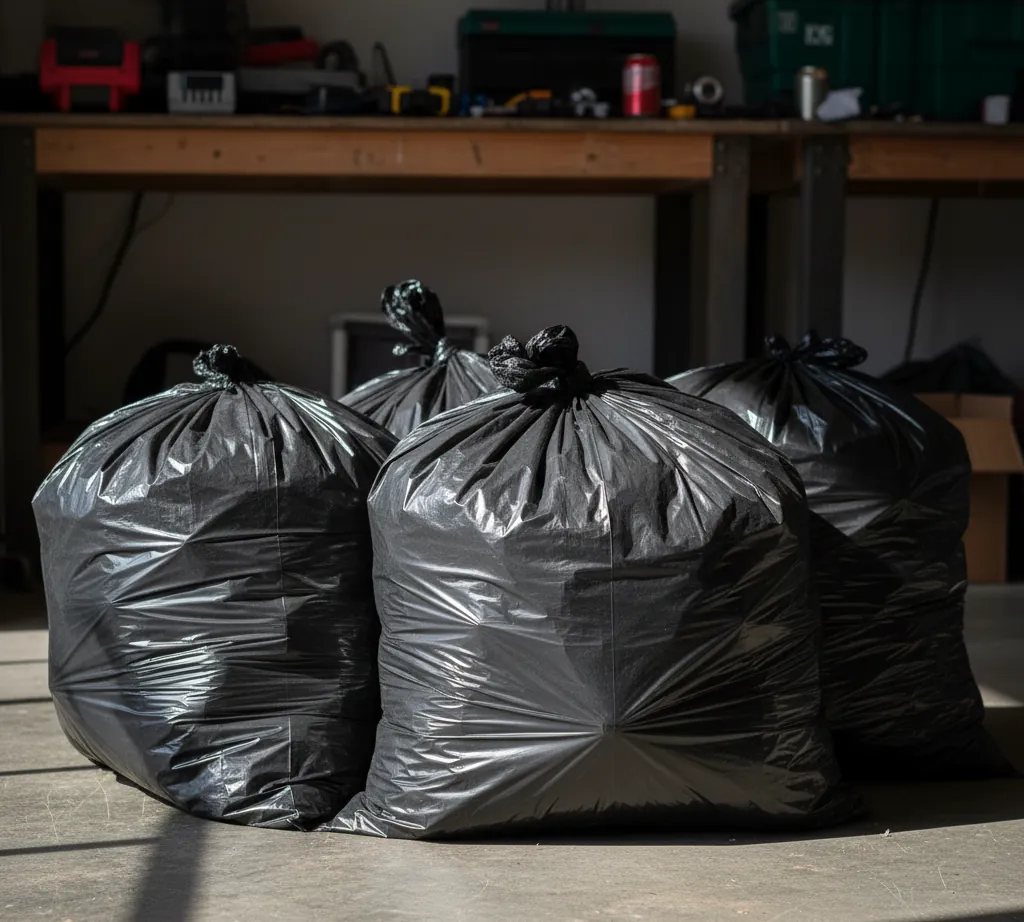
- Material: LDPE/LLDPE blends, transparent or tinted in blue, black, yellow and other colours for load identification; antistatic grades for powders.
- Thickness: 40-50 micron for drum and box liners, 70-100 micron and up for one-ton FIBC liners, heavier still for sharp or abrasive fills.
- Construction: straight tubing, bottom-sealed bags, or shaped liners with tucks matched to the container geometry.
- Fit: liner diameter and length matched to the FIBC body with top and bottom attachment options - a loose liner folds and blocks discharge.
- Compliance: food-grade documentation and migration test reports where contents are edible; antistatic surface resistivity for flammable powders.
Construction options and compliance documents are listed on our liner bags product page.
Where Liner Bags Are Used
- FIBC liners: the standard moisture answer for chemicals, minerals, sugar and food powders shipped in jumbo bags - the selection logic is detailed in our moisture barrier guide.
- Drum and pail liners: chemical liquids and pastes that must never contact the drum wall.
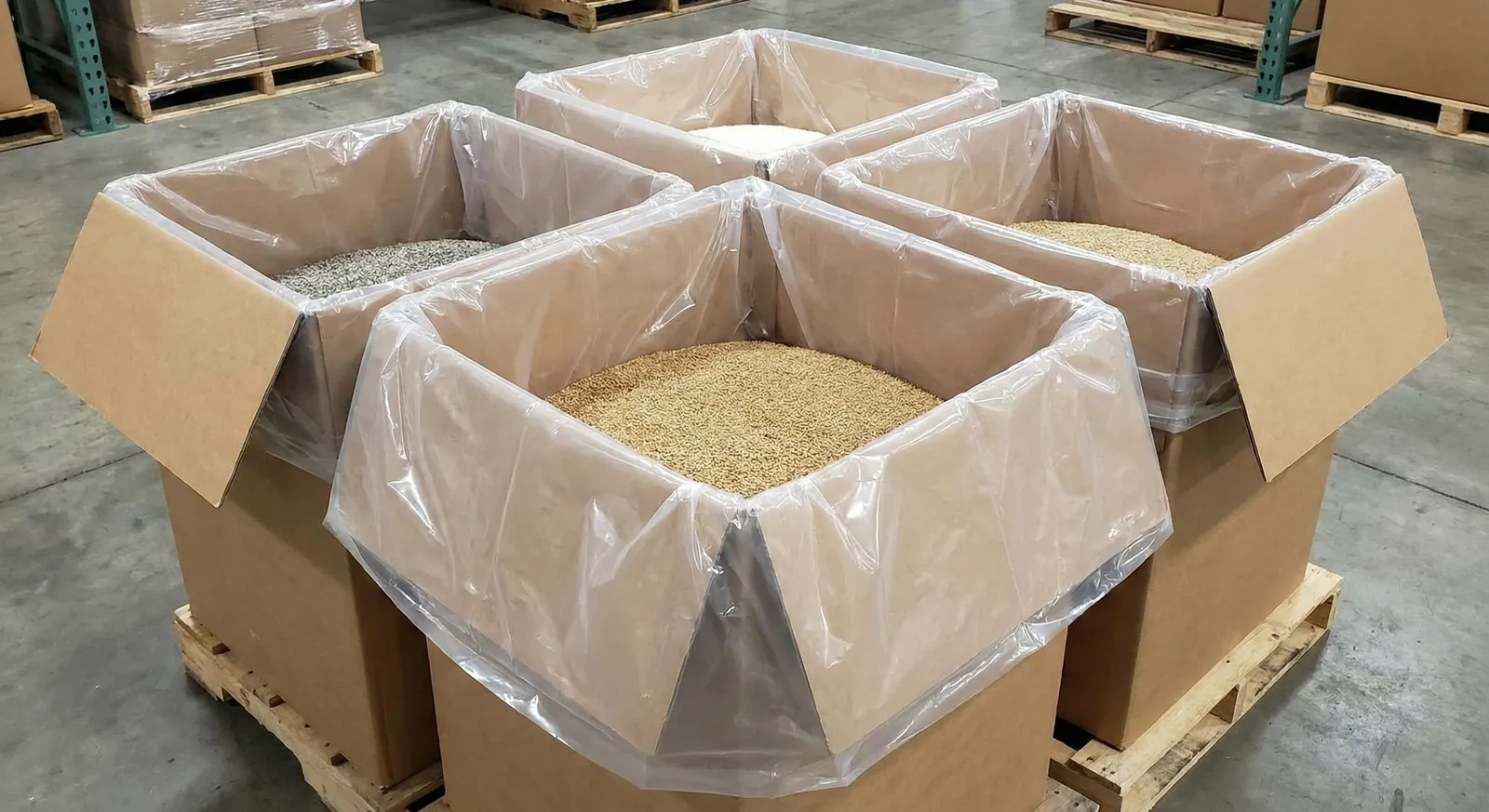
- Carton and box liners: dehydrated foods, ingredients and pharmaceutical powders in fibreboard cases.
- Cold-chain and humid-route exports: liners paired with desiccants for long sea transit - the pairing strategy is in our FIBC liner guide.
Manufacturing and Quality Control
We extrude liner film in-house, so gauge consistency and seal integrity are controlled at the source. Seals are burst-tested on samples from each batch, liner dimensions are checked against the container spec - not approximate - and food-grade runs are produced on documented lines with migration test reports available per lot. Transparent and coloured films are matched to Pantone references for buyers who colour-code loads by product family.
How to Specify Your Order
Give us three things: the container you are lining with its dimensions, the product and its moisture sensitivity, and the compliance documents you need. From that we quote material, micron and construction. MOQ starts from pallet quantities for standard sizes; custom-shaped liners are quoted against a sample or drawing. Lead time runs 1-2 weeks for standard liners and 2-3 weeks for custom shapes. For FIBC programs, ask for liner fit trials - we supply sample liners sized to your bag for a discharge test before you commit to volume.
Frequently Asked Questions
What micron liner for a one-ton FIBC?
Flowing powders and granules work on 70-90 micron; sharp or abrasive products and humid-route shipments justify 100 micron and above with a fit-tested shape.
Are liner bags food safe?
Yes, when produced on food-grade lines with documented materials - we supply migration test reports and material declarations per lot for edible contents.
Antistatic liner or normal liner for powders?
Any powder with flammable solvent or dust-explosion risk needs an antistatic grade with surface resistivity documentation; ordinary product powders do fine on standard PE.
Siddhii Global manufactures transparent and coloured liner bags at its Kalol, Ahmedabad plant for FIBC programs, chemical exporters and food brands. Send your container dimensions and product and we will quote liner construction with compliance documents attached.