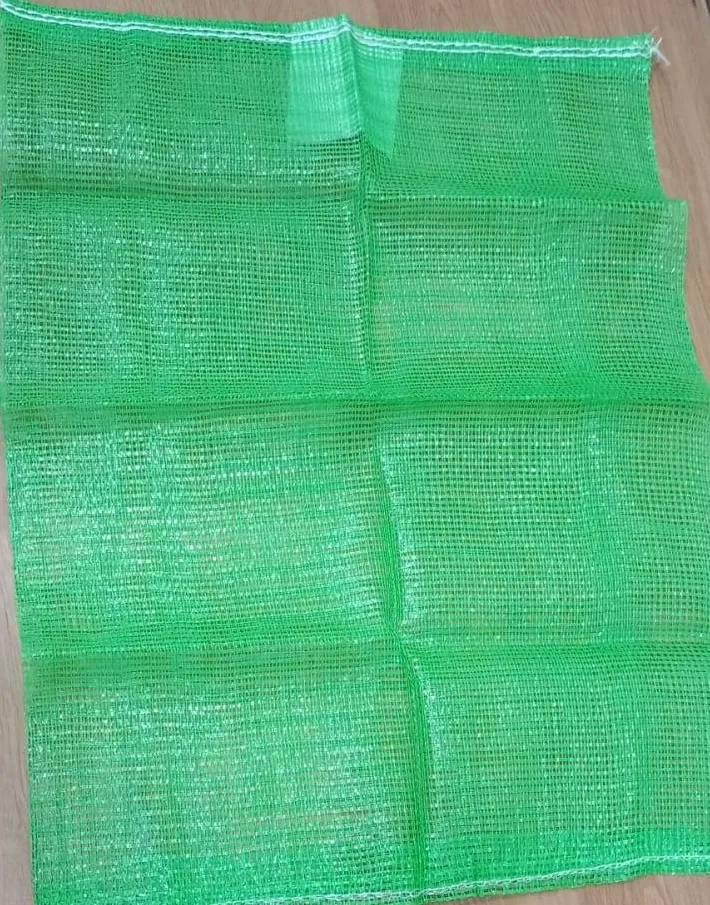
Australia's produce packers face a supply reality their northern hemisphere peers don't: domestic leno mesh production is thin, seasonal demand is fierce, and the biosecurity border makes casual importing impossible. The importers who serve this market well treat DAFF paperwork as a manufacturing step — planned, documented and boring. This guide covers the whole path for leno mesh bags and rolls from India to Australian door, duty treatment included.
Biosecurity: the paperwork that matters
Every Australia-bound consignment arrives under DAFF scrutiny, and for packaging the expectations are precise: bales clean and free of plant material, containers pest-free, and the standard packing declaration plus container cleanliness statement lodged with entry documents. We generate both documents for every Australian order as a production step — bale packing happens in a clean, covered area, strapping and dunnage meet the declaration we sign, and photographs of the loaded container accompany the file. Consignments that arrive with this pack complete clear in days; the ones that invite a DAFF inspection for a sloppy declaration pay demurrage while everyone waits. Australia also maintains seasonal measures against pests like brown marmorated stink bug for goods from certain risk origins — India is not on the BMSB scheme's target list in most seasons, but the framework shifts annually, so your broker confirms the current season's rules before the vessel sails.
Duty, GST and the AI-ECTA advantage
Woven polypropylene sacks under HS 6305.33 generally carry a low or nil general rate in the Australian tariff schedule, and the Australia-India Economic Cooperation and Trade Agreement has widened preferential access across Indian textile lines — with a certificate of origin, many lines enter duty-free outright. Your broker confirms the exact line and whether CoO paperwork saves money; 10% GST applies on the landed value and is creditable for GST-registered importers. The practical takeaway: Australia is one of the friendlier duty markets for Indian leno, provided the origin documents are filed properly from the first container.
Ports, packing and the calendar
Melbourne and Port Botany (Sydney) handle most leno volume, with Brisbane serving Queensland produce. Transit from Mundra runs 25 to 35 days, and because baled leno compresses so aggressively, a 40ft container lands hundreds of thousands of retail bags — the per-bag economics that make importing worthwhile even against the biosecurity overhead. First-order cycle: samples 1 to 2 weeks, production 2 to 3 weeks, ocean plus clearance 5 to 6 weeks. Plan 8 to 9 weeks door to door on a first order and 6 to 7 on repeats — and work back from your packing season, because Australian produce demand peaks when the fields do, not when the containers arrive.
Frequently Asked Questions
What DAFF documents come with the shipment?
Packing declaration, container cleanliness statement, commercial invoice, packing list, bill of lading and certificate of origin — we issue the biosecurity pack with every Australian consignment.
Will my bags clear duty-free under AI-ECTA?
Many Indian textile lines enter at preferential or nil rates with a certificate of origin; your broker confirms the current HS 6305.33 treatment for your construction.
Are there seasonal biosecurity schemes to watch?
Australia runs annual pest schemes like BMSB measures that shift by origin and season — we track these and your broker confirms before each vessel; India is generally outside the main target list.
How far ahead should we order for harvest season?
Lock volumes 3 to 4 months before packing season: 8 to 9 weeks transit-plus-production on a first order, 6 to 7 weeks on repeats with the spec already approved.
Mesh sizes and roll formats are on the Leno Mesh Bags and Rolls page. For UV and sun-exposure strategy in packaging read the UV stabilisation guide, and for wholesale container logic see the fabric rolls wholesale guide.