One of the most common export errors in woven packaging is a customs code chosen by habit rather than by rule. The wrong heading changes duty, documentation and occasionally whether a shipment clears on time. This guide explains the classification logic for PP woven bags, BOPP laminated bags and related products in plain terms - so your paperwork matches your cargo.
The Textile Heading: 6305.33
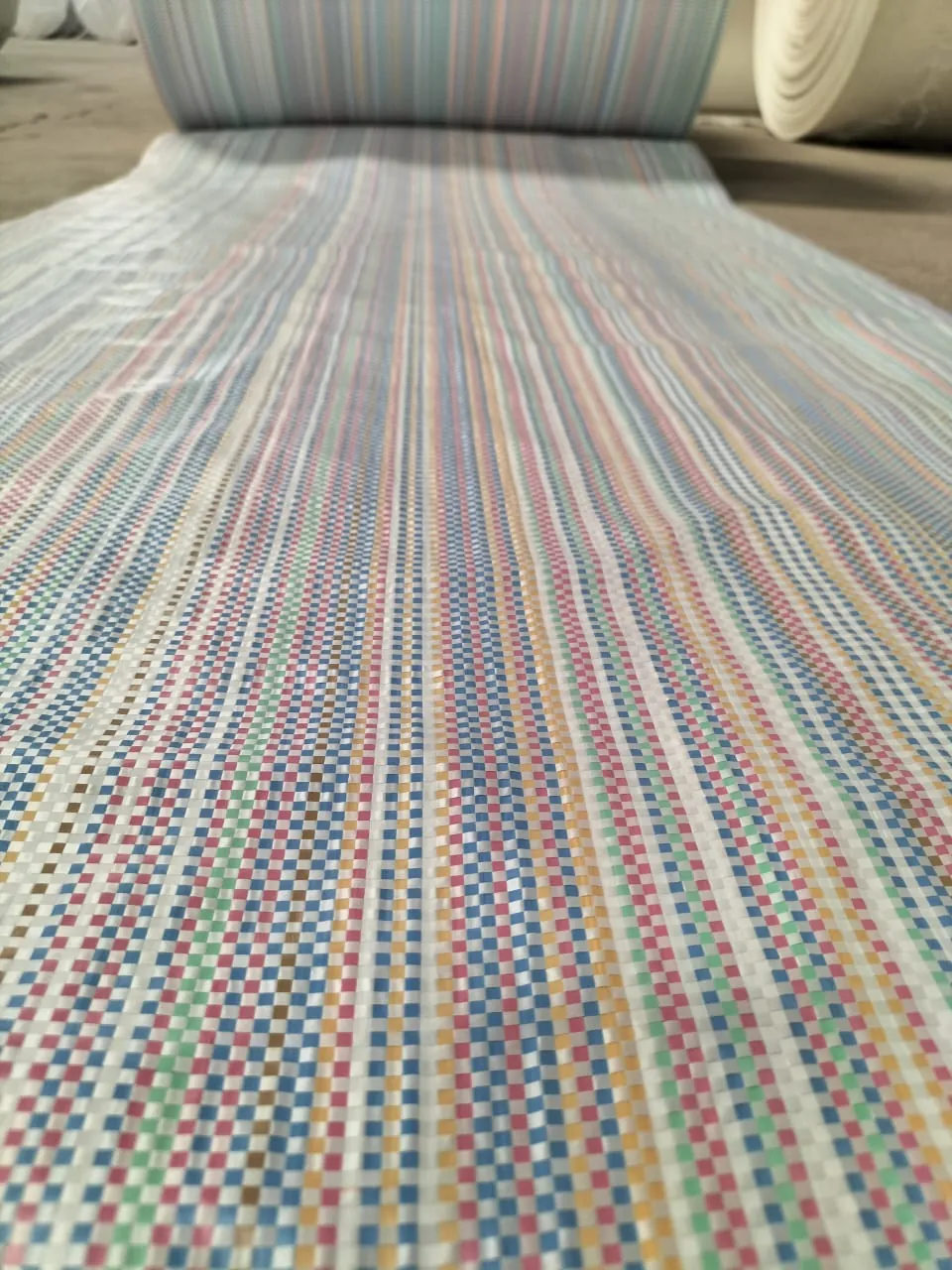
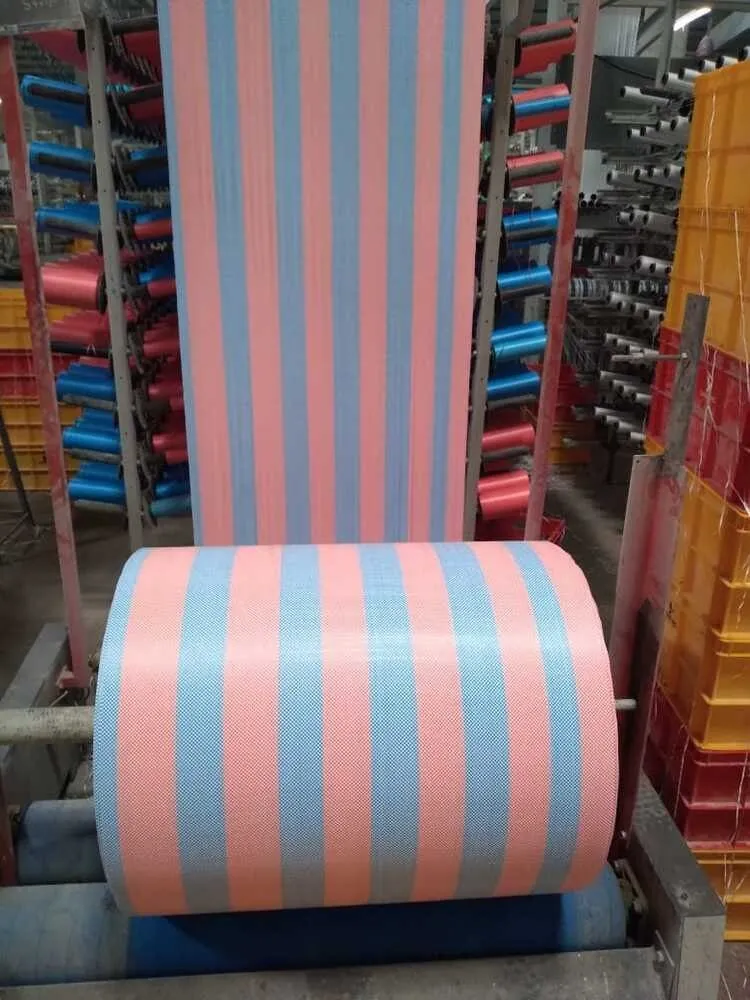
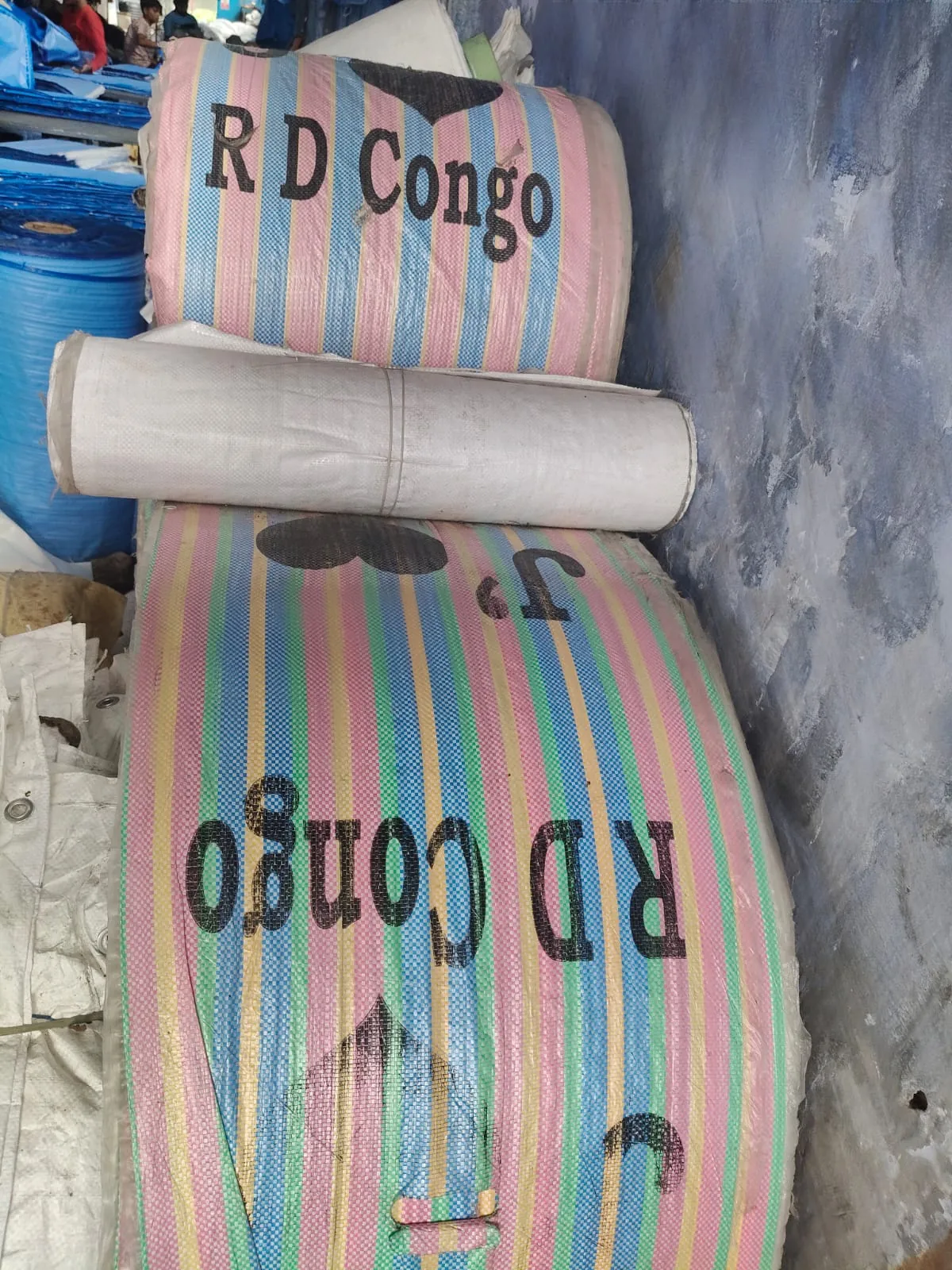
Sacks and bags woven from polypropylene or polyethylene strips classify under heading 6305, and the polyolefin-strip subdivision 6305.33 covers the standard PP woven sack. This applies to woven construction - the fabric made by weaving extruded tapes - including laminated woven sacks, as customs rulings in major markets have repeatedly confirmed for laminated polypropylene woven bags. Exporters shipping woven sacks from India most commonly clear under this heading, and destination-country equivalents map from the same international structure.
The Plastics Chapter: 3923 and Film Codes
Chapter 39 covers articles of plastics, including plastic sacks and bags under 3923 - typically relevant for non-woven constructions and certain plastic bags, with further subdivisions by polymer. BOPP film itself - the raw printable film - classifies among plastics sheet and film codes rather than 6305, since it is film, not a sack. Printed BOPP laminated woven bags generally follow the woven-sack logic of 6305.33, but edge cases exist and customs authorities decide finally; when a market questions the line between laminated woven textile and plastics article, a pre-shipment classification opinion is cheaper than a contested entry.
Why Classification Matters Beyond Duty
- Duty and trade measures: woven sacks can attract additional trade measures in some markets - rates change, so verify the current applied rate for your destination and product at import time.
- Documentation: invoice, packing list and certificate of origin must carry the same code and description consistently.
- Free trade agreements: origin certificates under agreements can reduce duty significantly - worth checking per destination.
Practical Documentation Habits
Fix the code in the purchase contract, keep descriptions consistent across all documents, and archive classification references with each shipment file. First-time importers should read the wider paperwork walkthrough in the documentation guide, and pre-shipment verification practice in the inspection checklist. Note: classification and duty specifics change; this guide explains structure, not current rates - always verify with your broker or customs authority for the shipment at hand.
Frequently Asked Questions
Is 6305.33 correct for laminated PP woven bags?
Major customs rulings have classified laminated polypropylene woven sacks under 6305.33; the woven-textile nature dominates. For unusual constructions, get a written ruling for certainty.
What code do I use for woven fabric rolls?
Fabric rolls are textile strip fabric rather than sacks - a different subheading under the same family; ask your broker to map it for the destination.
Does the HS code affect my landed cost much?
Duty on packaging varies by market - some destinations are low or nil, others carry real rates plus trade measures. Always price landed cost with the current code-specific rate.
Siddhii Global ships PP woven sacks, BOPP bags and fabric worldwide with consistent, documented classification. Ask for document samples with your next quotation from Kalol, Ahmedabad.