Selecting the right biohazard bags for your healthcare facility is a critical decision that directly impacts the safety of your staff, patients, and the broader community. With various types, sizes, and specifications available in the market, understanding the key factors that differentiate one biohazard bag from another can help you make an informed choice that ensures compliance with regulations while optimizing your waste management costs. This comprehensive guide from Siddhii Global walks you through every important consideration for selecting biohazard bags that are perfectly suited to your facility's needs.
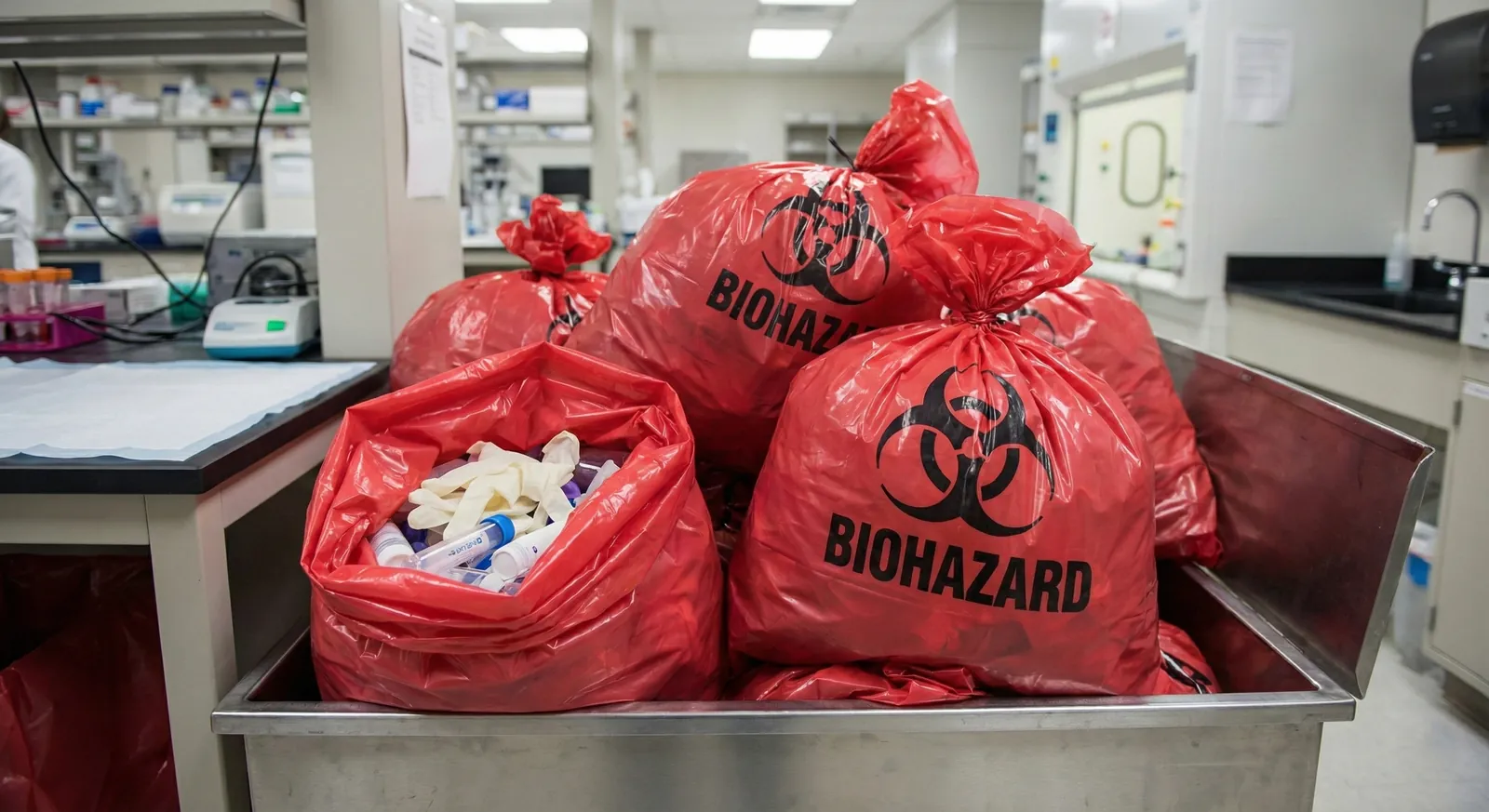
The first and most fundamental consideration is the color coding of the bag. India's Bio-Medical Waste Management Rules 2016 (as amended) prescribe specific color codes for different categories of medical waste, and using the correct color bag for each waste type is not just best practice but a legal requirement. Yellow bags are used for infectious waste including soiled dressings, bandages, and anatomical waste. Red bags are used for contaminated recyclable waste such as plastic tubing, catheters, and IV sets. Blue or white bags are used for glassware and sharp items. Using the wrong color bag can result in regulatory violations, fines, and potentially dangerous mixing of waste categories during disposal.
The second key consideration is the thickness and material of the bag. Biohazard bags must be strong enough to contain waste without leaking, tearing, or puncturing during handling, transportation, and disposal. The thickness of biohazard bags is typically measured in microns (one micron equals one-thousandth of a millimeter), and the minimum acceptable thickness varies depending on the type of waste being contained. For general infectious waste in yellow bags, a minimum thickness of 50 microns is recommended, while for heavier or sharper waste, bags of 70 microns or more may be required. At Siddhii Global, our standard biohazard bags are available in thicknesses ranging from 40 to 100 microns, allowing you to choose the specification that best matches your waste characteristics and handling requirements.
The third consideration is the closure type. Biohazard bags are available with several closure options including tie-handle closures, zip-lock closures, and heat-seal closures. Tie-handle closures are the most common and convenient option, allowing staff to quickly and securely close the bag by tying the handles together. Zip-lock closures provide a more secure seal and allow the bag to be opened and resealed if necessary, which can be useful in settings where waste is added to the bag over time. Heat-seal closures provide the most secure seal and are recommended for high-risk waste that must be completely isolated during transportation. The size of the bag is the fourth consideration, and it should be chosen based on the volume of waste generated by your facility and the capacity of your waste collection bins. Contact Siddhii Global at +91 90168 44050 for expert guidance on selecting the ideal biohazard bag specifications for your facility.