Selecting the right anti slip bags for your business is a critical decision that directly impacts the safety of your products during transportation and storage. With numerous options available in the market, understanding the key factors that differentiate one anti slip bag from another can help you make an informed choice that balances performance, durability, and cost-effectiveness. This guide walks you through every important consideration to ensure you invest in packaging that truly protects your products and your bottom line.
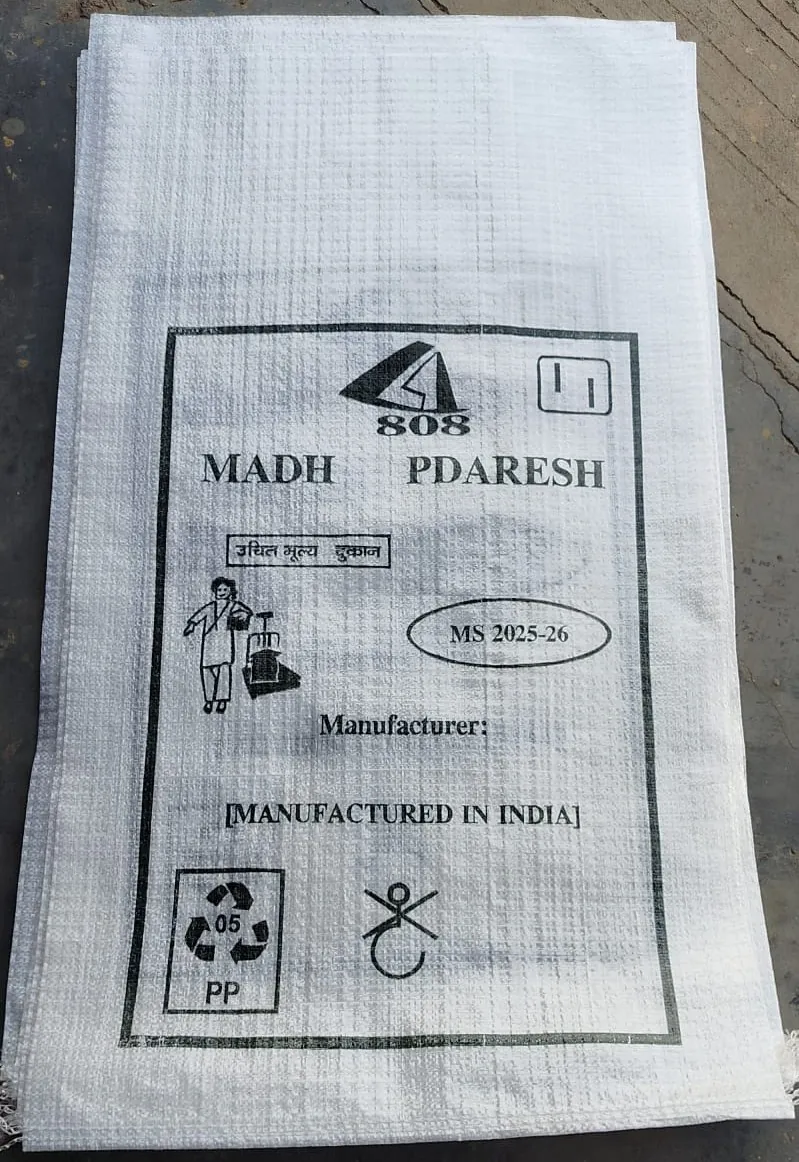
The first factor to consider is the type of material used in the construction of the anti slip bag. Most high-quality anti slip bags are made from polypropylene (PP) woven fabric, which offers excellent tensile strength, chemical resistance, and durability. However, not all PP woven fabrics are created equal. The denier of the fabric, which refers to the thickness of the individual threads, plays a significant role in determining the overall strength and load-bearing capacity of the bag. For heavy-duty applications such as chemical and fertilizer packaging, you should look for bags with a higher denier count, typically ranging from 800 to 1500 denier, to ensure they can withstand the weight and stress of the contents without tearing or deforming.
The second crucial factor is the type and quality of the anti-slip coating applied to the bag. Anti slip bags achieve their non-slip properties through specialized coatings that increase the coefficient of friction between stacked bags. The most common coatings include rubber-based coatings, silicone-based coatings, and polyurethane-based coatings. Each type offers different levels of friction, durability, and environmental resistance. Rubber-based coatings are generally the most cost-effective and provide good friction on dry surfaces, while silicone-based coatings offer superior performance in wet or humid conditions. Polyurethane coatings provide the best overall performance but come at a higher price point.
The third consideration is the safety factor (SF) of the bag, which indicates how much weight the bag can safely hold compared to its rated capacity. A safety factor of 5:1 means the bag can withstand five times its rated load before failing, while a safety factor of 6:1 provides even greater security. For export shipments and hazardous materials, a higher safety factor is essential to comply with international shipping regulations and ensure the safety of workers handling the bags throughout the supply chain. Additionally, consider the size and dimensions of the bag, ensuring it matches your filling equipment and storage infrastructure. Custom sizes are available from manufacturers like Siddhii Global, who can tailor bags to your exact specifications. Contact us at +91 90168 44050 for personalized guidance on selecting the ideal anti slip bags for your specific requirements.