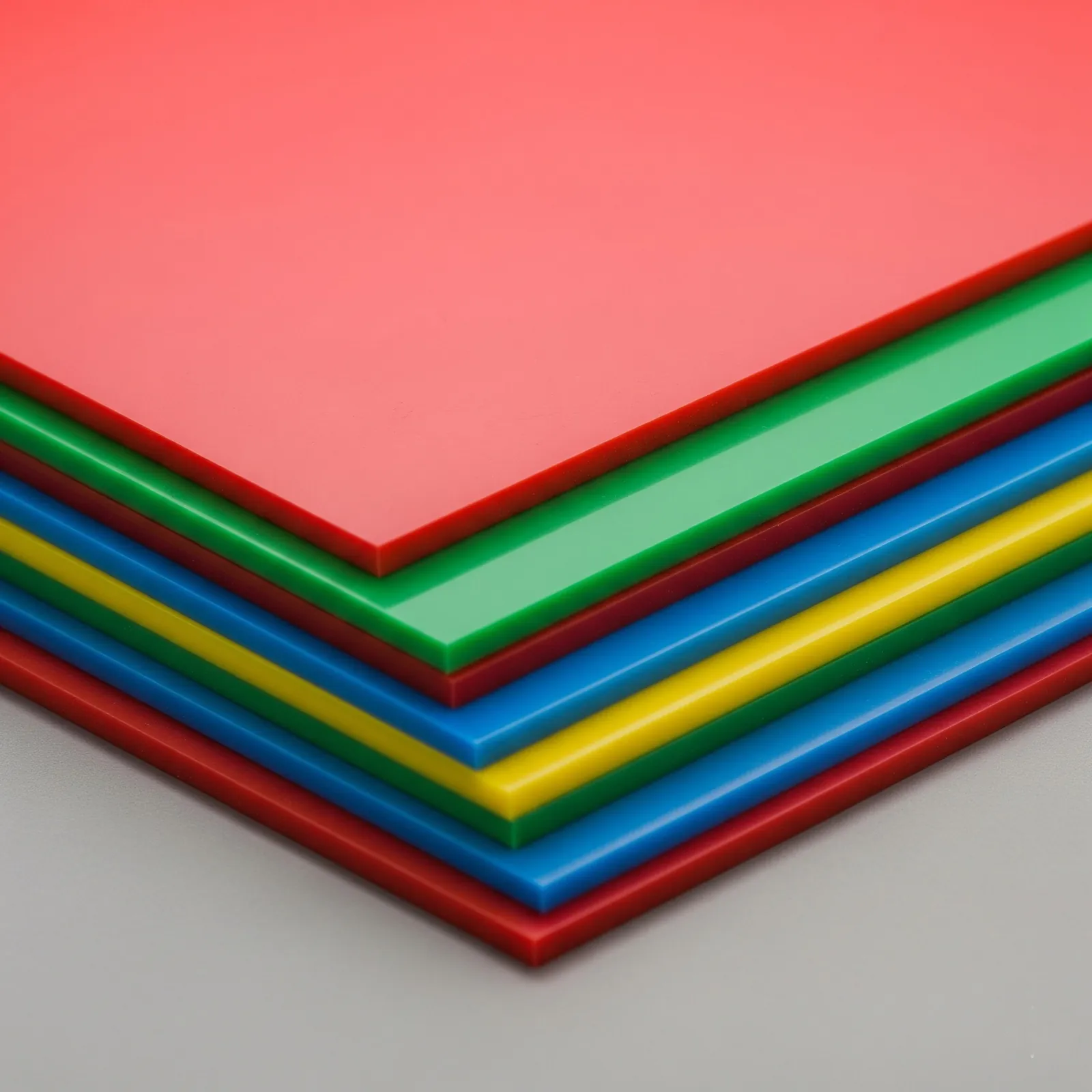
HDPE sheet is the industrial plastic that quietly replaces steel and wood wherever corrosion, impact and washdown collide - cutting boards, tank linings, truck beds, marine blocks, playground panels. Buyers usually ask one question first (thickness) and skip the three that actually decide field performance: density grade, additive package and fabrication plan. This guide covers all four, from the manufacturing side.
HDPE Sheet Specifications That Matter
- Thickness: 1 to 6 mm standard production, heavier gauges on request; tolerance and flatness matter as much as nominal thickness for CNC work.
- Grades: standard, high-density stiff grades, UV-stabilised outdoor grades and antistatic variants for dust-sensitive environments.
- Colours: natural, black and colour ranges - black with carbon black is the UV workhorse; colour sheets for coded industries.
- Surface: smooth or textured; textured handles slip and hides wear in high-traffic installs.
- Chemistry: excellent resistance to acids, alkalis and salts at ambient temperatures - the reason chemical plants line tanks with it.
Thickness and grade options are on our HDPE sheets product page, with material comparisons in our marine and mining guide.
Where HDPE Sheets Are Specified
- Chemical and water industries: tank linings, baffles and troughs exposed to aggressive media.
- Marine and mining: wear pads, chute linings and dock components that tolerate impact and moisture.
- Fabrication shops: CNC-cut components, welded tanks and machined parts - fabrication behaviour is detailed in our fabrication guide.
- Agriculture and food: cutting surfaces, poultry housings and washdown wall panels.
Against PP sheet, HDPE wins on impact toughness and low-temperature behaviour; PP wins on stiffness and heat tolerance. We produce both, so selection guidance is honest rather than catalogue-driven.
Manufacturing and Quality Control
Sheets are pressed and calendered in-house with density and MFI controlled at compound level. QC per batch covers thickness tolerance across the sheet, flatness, density verification and impact tests on outdoor grades with documented UV packages. Sheets ship protected with interleaf film, in standard cut sizes or full press sizes for fabricators who need yield.
How to Specify Your Order
Fix four things: thickness, sheet size format, colour and grade (UV or standard, smooth or textured). Tell us the fabrication plan if the sheet is destined for CNC or welding - we match tolerance and flatness to it. MOQ starts at pallet quantities; full-press-size orders for fabricators run by container. Lead time is typically 2-3 weeks. For weld projects, ask for weldability data - PE grades weld cleanly when lot consistency is controlled.
Frequently Asked Questions
Which HDPE thickness for tank lining?
Small tanks and baffles run 2-3 mm; large aggressive-media linings typically step to 4-6 mm with welded seams and root passes.
Does HDPE sheet hold up outdoors?
Carbon-black HDPE is among the best outdoor plastics - decade-level service is normal; natural and coloured sheets need the UV-stabilised grade for outdoor duty.
Can HDPE sheets be welded?
Yes - extrusion and hot-air welding are standard for tank and lining work, provided sheet lots are consistent; we supply weldability data with fabrication orders.
Siddhii Global manufactures HDPE sheets at its Kalol, Ahmedabad plant for fabricators, chemical plants and industrial distributors. Send thickness, sizes and application and we will quote grade options with QC documents.