The manufacturing of BOPP laminated bags is a complex, multi-stage process that requires precision equipment, skilled operators, and rigorous quality control at every step. Understanding this process can help businesses appreciate the value that goes into every BOPP bag and make more informed decisions about their packaging specifications and supplier selection. Siddhii Global's manufacturing facility in Kalol, Gujarat, is equipped with a complete, vertically integrated production line that covers every stage of the BOPP bag manufacturing process, from raw material to finished product. This article provides a detailed walkthrough of each manufacturing stage, explaining the technology, quality control measures, and expertise that go into producing our premium BOPP bags.
The process begins with the extrusion of PP tapes, which are the building blocks of the woven fabric. Virgin polypropylene granules are fed into an extruder, where they are melted at controlled temperatures and forced through a die to form a thin film. This film is then slit into individual tapes of the required width, which are stretched in both the machine direction and the transverse direction to orient the polymer molecules and increase the tensile strength of the tape. The denier (thickness) of the tape is precisely controlled during extrusion, as it determines the strength and weight of the final fabric. At Siddhii Global, we use computer-controlled extrusion lines that maintain denier consistency within tight tolerances, ensuring uniform fabric quality throughout the production run.
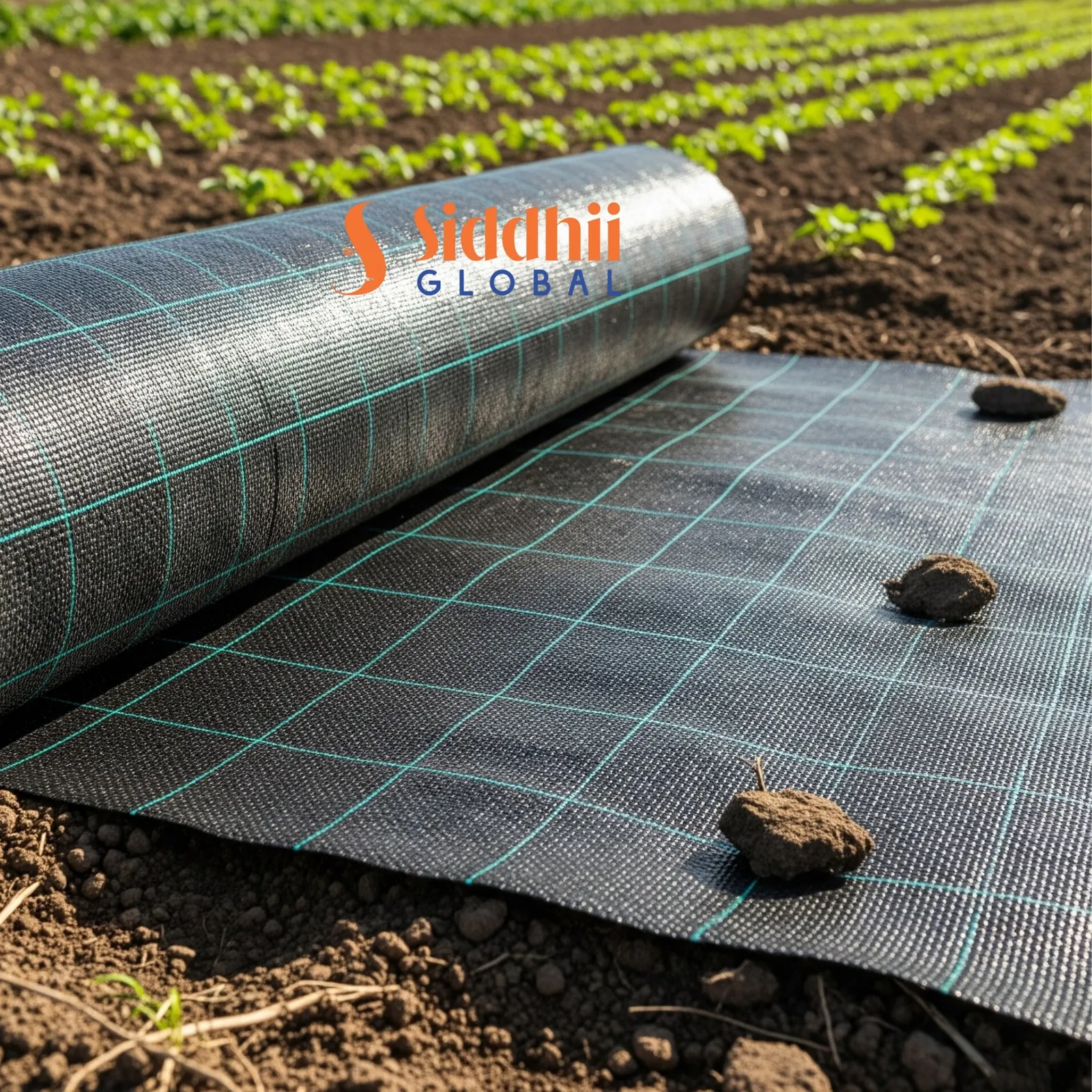
The next stage is weaving, where the PP tapes are woven into fabric on circular weaving machines. The warp tapes run in the lengthwise direction of the fabric, while the weft tapes are inserted perpendicular to the warp to create the weave pattern. The density of the weave, measured in tapes per inch, determines the weight and strength of the fabric. For BOPP bags, the fabric must have a smooth, uniform surface to ensure proper lamination and printing quality. Our circular weaving machines are equipped with automatic break detection and tension control systems that maintain consistent fabric quality throughout the weaving process.
After weaving, the fabric undergoes BOPP lamination. In this process, a thin film of biaxially oriented polypropylene is bonded to the surface of the woven fabric using a specialized adhesive and controlled heat and pressure. The BOPP film is produced separately by extruding polypropylene through a flat die and stretching it in both directions to create a thin, clear, strong film with excellent print receptivity. The lamination process must be carefully controlled to avoid bubbles, wrinkles, and delamination, all of which can compromise the print quality and functional performance of the finished bag. At Siddhii Global, our lamination line is equipped with automatic tension control, temperature management, and defect detection systems that ensure a flawless lamination every time.
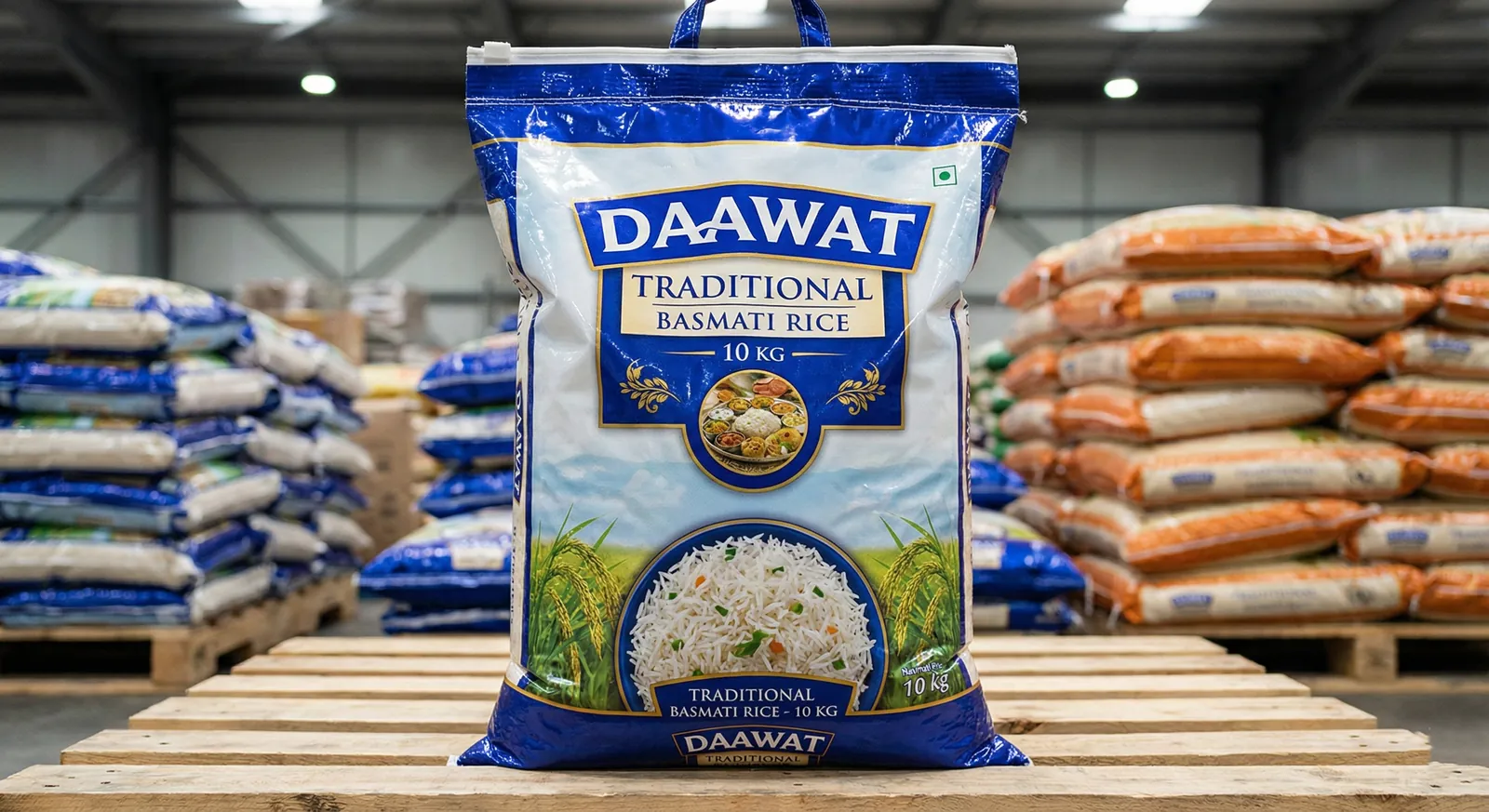
The final stages include rotogravure printing, where the BOPP-laminated fabric is printed with the customer's design using engraved cylinders and up to 8 colors of ink; cutting, where the printed fabric is cut to the required bag size; and stitching, where the bag is assembled with reinforced seams and any additional features such as valve ports, inner liners, or zipper closures. Every finished bag undergoes a final quality inspection before being packed and shipped to the customer. This comprehensive, quality-controlled manufacturing process is what makes Siddhii Global's BOPP bags the preferred choice for brands across India. Contact us at sales@siddhiiglobal.com for a factory tour and detailed process demonstration.