The printing technology used to produce BOPP bags is the single most important factor in determining the visual quality and impact of the finished packaging. Two main printing technologies are used in the BOPP bag industry: rotogravure printing and flexographic printing. While both methods can produce acceptable results for certain applications, they differ significantly in terms of print quality, color capability, cost structure, and suitability for different types of packaging designs. Understanding these differences is essential for making an informed decision about the printing method that will best serve your brand and product. Siddhii Global specializes in rotogravure printing for BOPP bags, and this article explains why we believe this technology delivers the best results for most packaging applications.
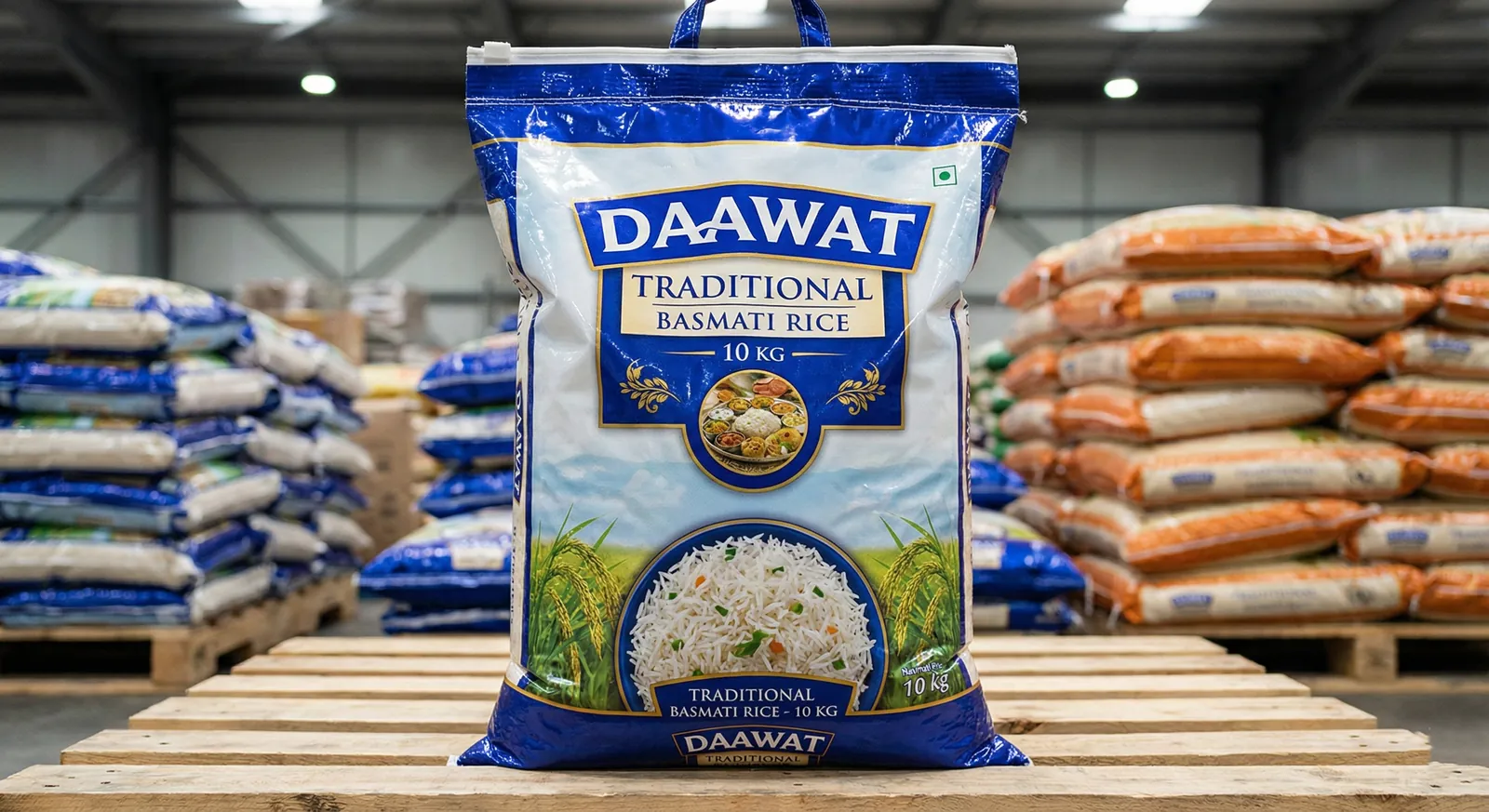
Rotogravure printing is an intaglio printing process in which the image is engraved into a copper cylinder, with each color requiring a separate cylinder. During printing, the cylinder rotates through an ink fountain, filling the engraved cells with ink, and a doctor blade removes excess ink from the non-engraved surface. The ink is then transferred directly to the BOPP film under pressure, creating a sharp, detailed image with consistent color density. Rotogravure printing is known for its ability to produce photographic-quality images with smooth gradients, fine detail, and vibrant, saturated colors. It is the preferred printing method for high-quality packaging where visual impact is paramount, such as BOPP bags for food, pet food, and consumer products.
Flexographic printing is a relief printing process in which the image is raised above the surface of a flexible printing plate. During printing, ink is transferred from an anilox roller to the raised surface of the plate, and then from the plate to the substrate. Flexographic printing is faster and more economical for short runs because the printing plates are less expensive than rotogravure cylinders. However, flexographic printing cannot match the image quality of rotogravure, particularly for photographic images, fine text, and smooth color gradients. The dot pattern produced by flexographic printing is visible to the naked eye, resulting in a coarser image that lacks the clarity and refinement of rotogravure printing.
At Siddhii Global, we have invested in state-of-the-art rotogravure printing equipment from leading international manufacturers, enabling us to produce BOPP bags with print quality that rivals the best packaging in the world. Our printing machines are capable of printing up to 8 colors with precise registration and consistent color matching, ensuring that every bag in the production run looks identical. We maintain a library of color standards for each customer to ensure that repeat orders match the original colors exactly. Our experienced pre-press team handles all aspects of design preparation, including color separation, cylinder engraving coordination, and proof approval, making the process seamless for our customers. Contact our printing specialists at sales@siddhiiglobal.com to learn more about our rotogravure printing capabilities.