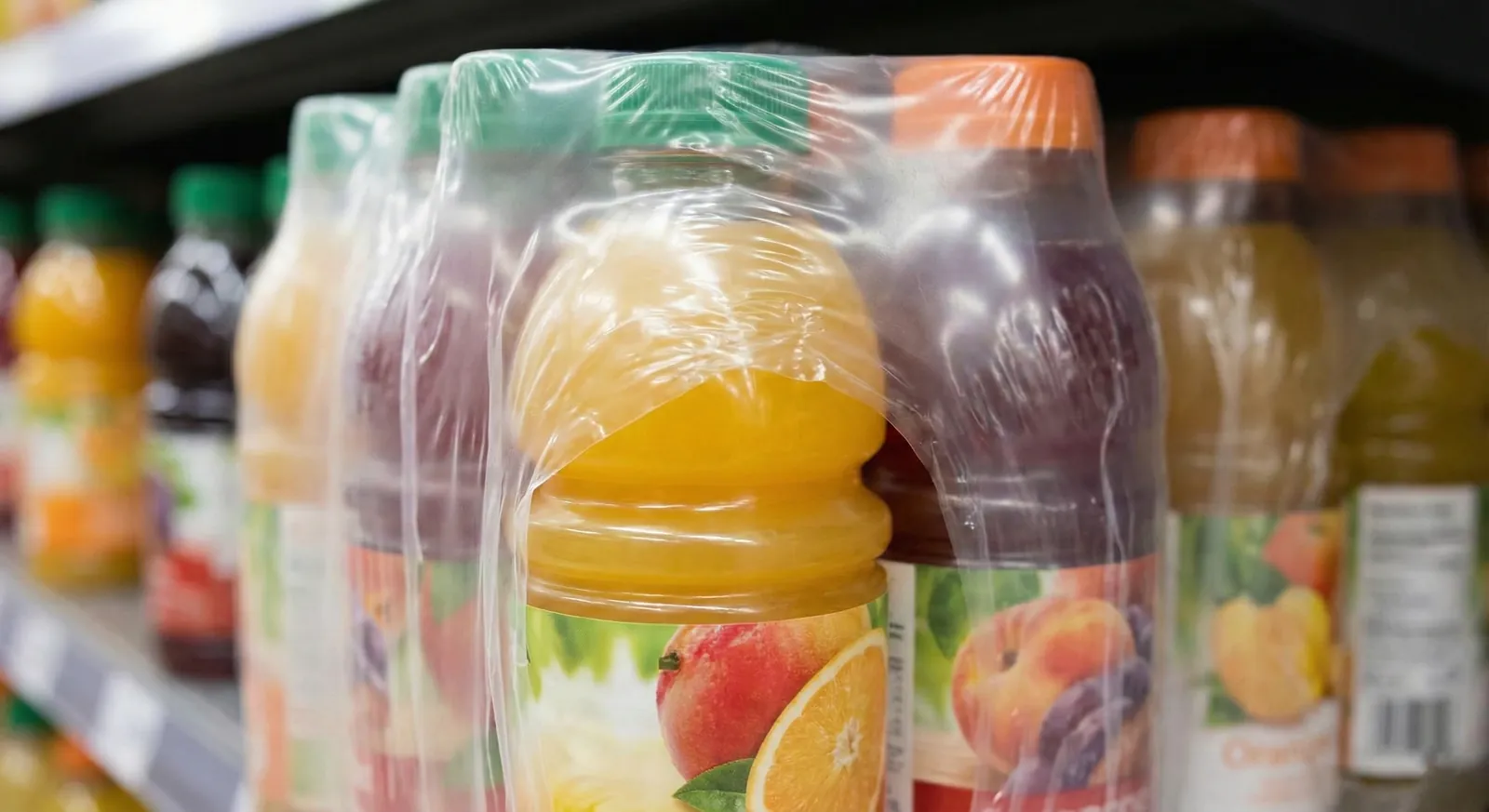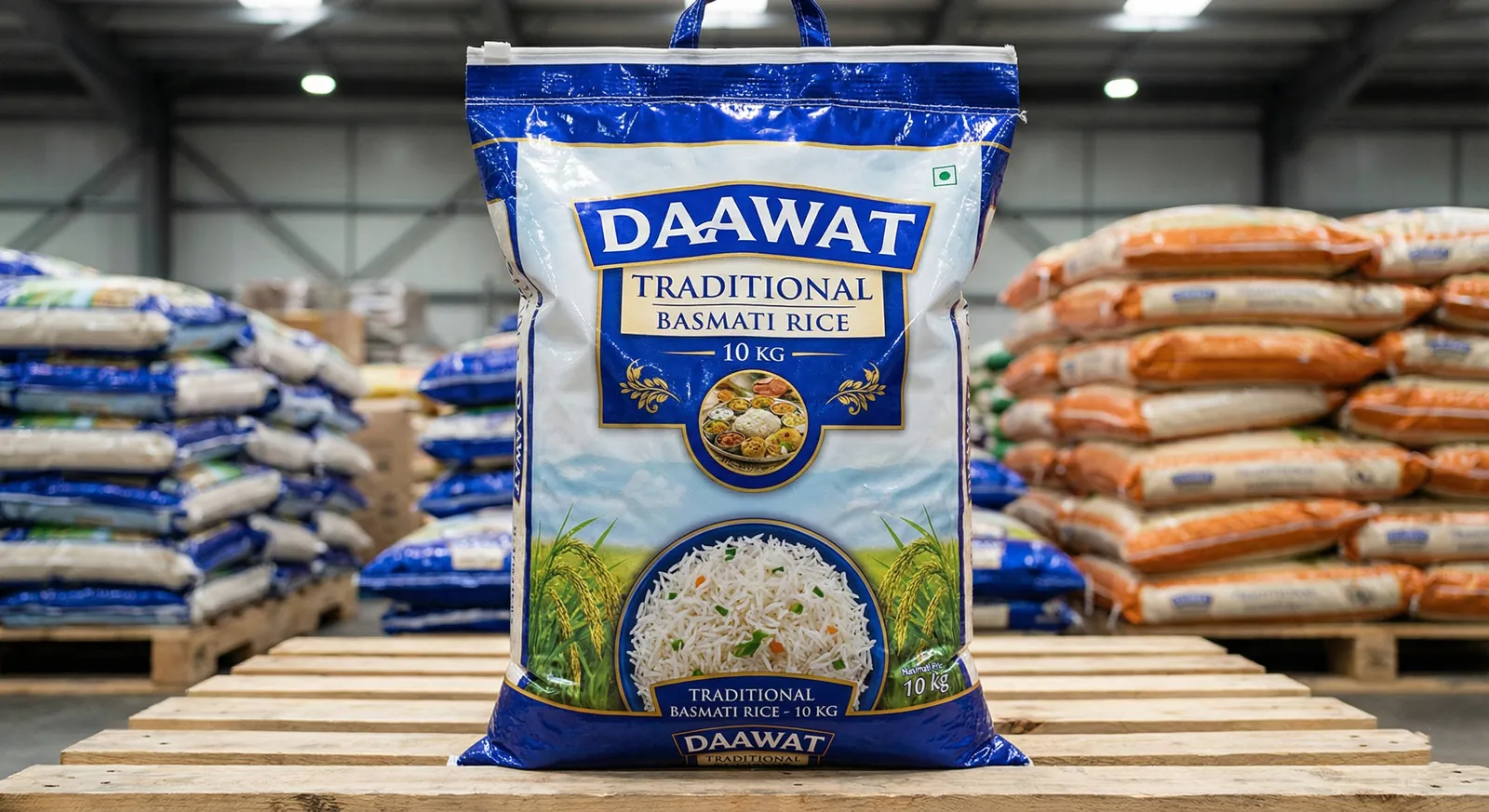
UK shelf categories — pet food, rice, seed, bird feed, garden products — have quietly consolidated around one packaging format: the BOPP laminated woven bag. It photographs like rigid packaging, costs a fraction of it, survives warehouse racking, and increasingly meets the sustainability narrative because a mono-PP construction recycles within existing polypropylene streams. UK brands buying this format from India face a short list of decisions that determine whether the programme delights or disappoints, and they are all worth understanding before the first container.
Print quality: where BOPP wins or loses
BOPP laminate printing runs rotogravure: artwork engraved onto steel cylinders, reverse-printed on the film so the image sits protected under the laminate, six to ten colours with photographic fidelity. The decisions that matter: colour management to signed Pantone standards, ink batch control per run, and the proof workflow — we print a physical proof on the actual film and fabric construction, the brand signs it, and that signed standard governs every repeat. UK buyers should also ask about the two print failures that kill shelf presence: fade (cheap inks and no UV package in the film) and scuff (insufficient laminate thickness or gloss grade). We spec UV-resistant ink systems for retail programmes and hold counter-samples per lot, because a brand's shelf presence is a contract with shoppers, not a one-off artwork.
Compliance, MOQ and cylinder economics
Food-contact lines — rice, flour, pet food — run food-grade polypropylene construction with the liner and film documented under the retained EU food contact framework the UK applies, and we supply declarations of compliance with each shipment. MOQs land around 10,000 to 20,000 pieces per design once cylinder engraving is in play, with cylinders charged once per design and stored free between runs for repeat customers — the detail that makes the second and third containers cheaper than the first. Duty on woven sack constructions under HS 6305.33 generally clears at nil or low rates under the UK Global Tariff (your broker confirms the line for the laminated construction), with 20% recoverable VAT. Transit from Mundra to Felixstowe or London Gateway runs 22 to 30 days.
The first-order workflow
Artwork files to us in print-ready format; we return a digital proof within days, then the physical press proof on real material. Approve, and production runs 3 to 4 weeks including engraving; repeats run 2 to 3 weeks. Ocean plus clearance adds 4 to 5 weeks — 8 to 10 weeks door to door first time, 6 to 7 weeks on repeats. UK brands with seasonal SKUs schedule the second container before the first lands.
Frequently Asked Questions
How many colours can BOPP printing achieve?
Rotogravure handles 8 to 10 colours with photographic detail; the image reverse-prints under the laminate so it never scuffs off in the warehouse.
What MOQ should UK brands plan?
Plan 10,000 to 20,000 pieces per design so cylinder engraving amortises; multiple designs share containers and cylinders stay stored for repeats.
Are BOPP bags compliant for food contact?
Yes with food-grade construction — we supply declarations under the retained UK food contact framework with every food-line shipment.
Who owns the print cylinders?
Your brand does, for designs you funded — we store them free between runs, which is what makes repeat containers faster and cheaper.
Constructions and print options are on the BOPP Bags and rolls page. For European retail strategy read the BOPP Europe retail guide, and for print ROI see BOPP versus standard woven ROI.