When it comes to industrial packaging, businesses often face the question of whether to use standard PP woven bags or invest in anti slip bags. While both types of bags serve the fundamental purpose of containing and protecting products during storage and transportation, they differ significantly in their ability to maintain stack stability, which is a critical factor in warehouse operations and logistics. Understanding these differences can help you make the right choice for your specific application, potentially saving you from costly product damage and safety incidents.
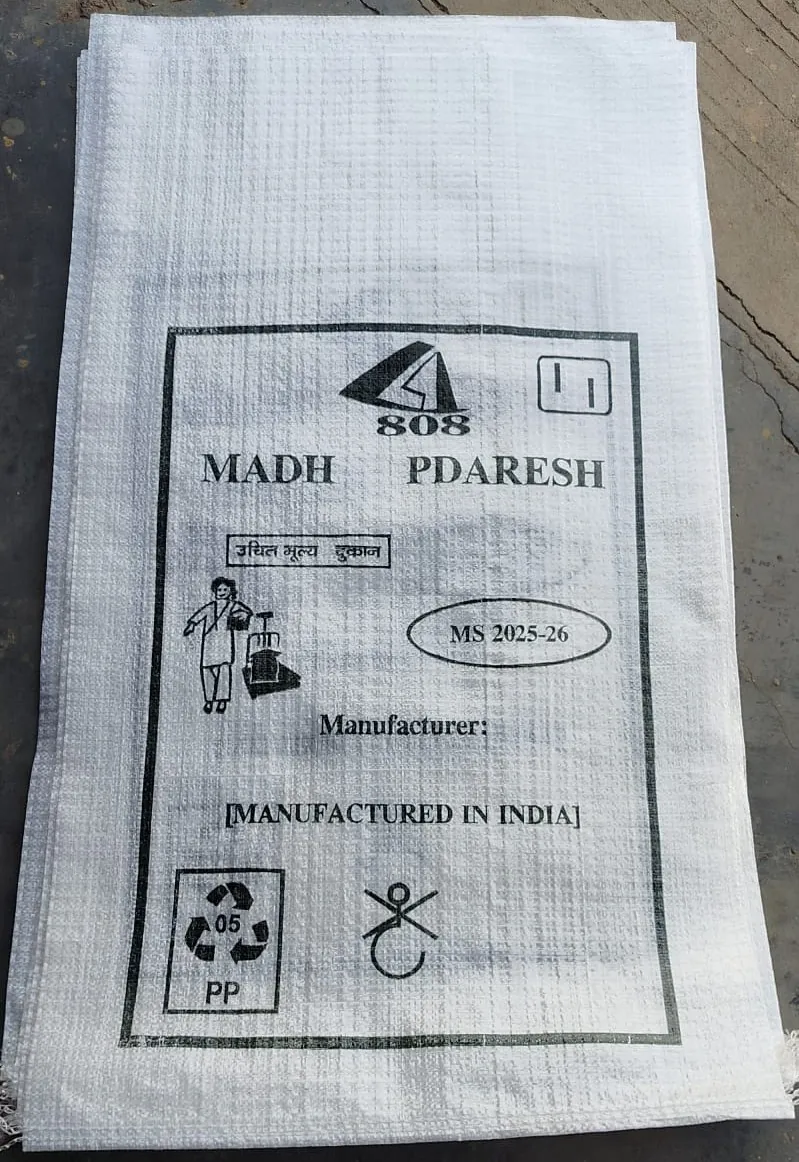
Regular PP woven bags are the workhorse of the packaging industry. They are made from woven polypropylene tapes and are known for their strength, durability, and cost-effectiveness. These bags are widely used for packaging cement, fertilizers, chemicals, grains, and a variety of other bulk materials. However, regular PP woven bags have a relatively smooth surface that offers limited friction between stacked bags. This means that when bags are palletized or stacked in a warehouse, there is a risk of the stack shifting or collapsing, especially during transportation over rough roads or when the bags are subjected to vibrations and sudden movements. This risk is particularly high for bags with smooth, laminated surfaces or those containing loose, granular materials that can shift inside the bag, changing its center of gravity.
Anti slip bags, on the other hand, are specifically designed to address this stability issue. They are manufactured with a special anti-skid coating applied to one or both surfaces of the bag, which significantly increases the coefficient of friction between stacked bags. This coating creates a grippy surface that prevents bags from sliding against each other, even when stacked at angles or subjected to movement during transit. The result is a much more stable pallet load that can withstand the rigors of transportation and handling without shifting or collapsing. For businesses that ship products on pallets, this can mean the difference between a shipment arriving safely and one that arrives with damaged goods and costly losses.
The cost difference between anti slip bags and regular PP woven bags is typically in the range of 10-20% more for anti slip bags, depending on the type and quality of the coating used. While this may seem like a significant premium, it is important to consider the total cost of ownership. The additional cost of anti slip bags is often far less than the cost of product damage during transit, insurance claims, worker injuries from falling stacks, and the reputational damage that can result from delivery failures. For businesses that regularly ship palletized goods, especially over long distances or through challenging logistics networks, anti slip bags from Siddhii Global represent a smart investment that pays for itself many times over. Contact us at +91 90168 44050 to learn more about our anti slip bag solutions.