Kenya's horticulture economy runs on precision — the flower farms around Naivasha and Thika, the vegetable exporters, the nursery sector feeding both — and woven ground cover has become standard equipment across that economy. Weeds in a flower block are not an aesthetic problem; they are disease pressure and grade-down risk on export product. The checklist below covers what a Kenya-bound ground cover order needs: the certification gate, the duty arithmetic, and the UV reality of equatorial sun.
KEBS PVoC: the gate before shipment
Kenya's Pre-Export Verification of Conformity requires a Certificate of Conformity issued before regulated goods leave origin, and woven ground cover lands in scope. The flow runs through contracted inspection bodies — we submit the invoice, packing list, specification and factory file, the body verifies construction and testing, and issues the CoC against the specific shipped lot. Run it properly and Mombasa clearance is among the fastest in East Africa; skip it and the container faces destination inspection, delays and penalties. The tests behind the certificate are practical: GSM verification, tensile on warp and weft, UV package validation — which in Kenya means equatorial irradiance, the harshest UV test ground cover faces anywhere — and permeability to the declared rate for irrigated beds.
What Kenyan buyers spec
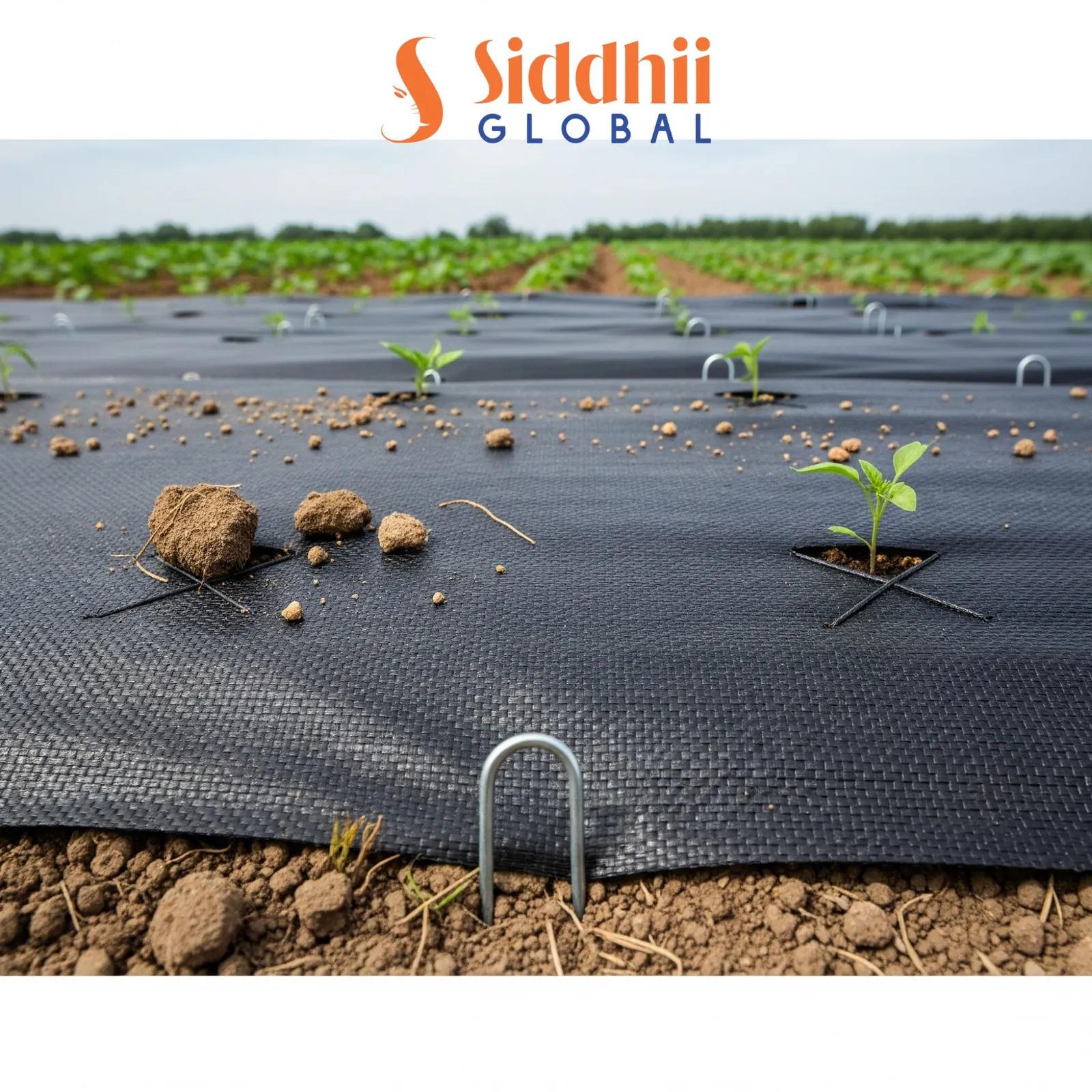
Flower farms run strip ground cover between and under blocks — 100 to 150 GSM, permeable, traffic-tolerant, sized to block layouts. Nurseries run heavy grades under pot benches. Landscape and municipal projects, growing fast with the country's urban development, run full-cover rolls with grid lines. Colour is mostly black; widths from 1.0 to 2.0 metres; edge reinforcement where the fabric meets traffic. The specification that separates good from cheap here is UV life: equatorial sun at Naivasha's altitude delivers irradiance that fails generic fabric in months, and multi-year service requires stabilisation built into the tape before weaving.
Duty, levies and the Mombasa flow
Kenya applies the EAC Common External Tariff — woven ground cover typically sits around the 25% band — plus the Import Declaration Fee at 2.5% and the Railway Development Levy; your clearing agent confirms current rates so landed models are honest. Containers clear at Mombasa and ride the SGR to Nairobi in a day. The document pack that keeps everything moving: CoC, invoice, packing list, bill of lading, certificate of origin — all matching the shipped lot exactly. Plan 6 to 8 weeks door to door on first orders including PVoC.
Frequently Asked Questions
Who arranges the PVoC certificate?
We coordinate inspection and certification with the contracted body and file the documents; the CoC ships with the consignment for fast Mombasa clearance.
What duty and levies apply?
Around 25% EAC CET on woven ground cover plus the 2.5% Import Declaration Fee and the Railway Development Levy — confirm live rates with your clearing agent.
What UV package does equatorial use need?
Stabilisation validated for equatorial irradiance built into the tape — generic packages fail in months at Naivasha altitude, so we build for the test location.
What GSM suits flower farm blocks?
100 to 150 GSM permeable strips, traffic-tolerant, cut to block layouts; nurseries run heavier grades under pot benches.
Fabric specifications are on the Weed Mat (Ground Cover) page. For the certification flow on woven sacks read the Kenya compliance guide, and for water savings see the weed mat economics guide.