Kenya's food economy moves through its wholesale markets — and the most visible packaging at Nairobi's marikiti stalls, Nakuru's onion depots and Mombasa's produce terminals is leno mesh. The format suits the trade perfectly: breathable for produce that would rot in sealed film, strong enough for a sack thrown onto a matatu roof rack, and cheap enough per piece for the thin margins that characterise East African food distribution. Here is how Kenyan buyers actually deploy leno mesh and what each application specs.
The onion trade: Kenya's leno workhorse
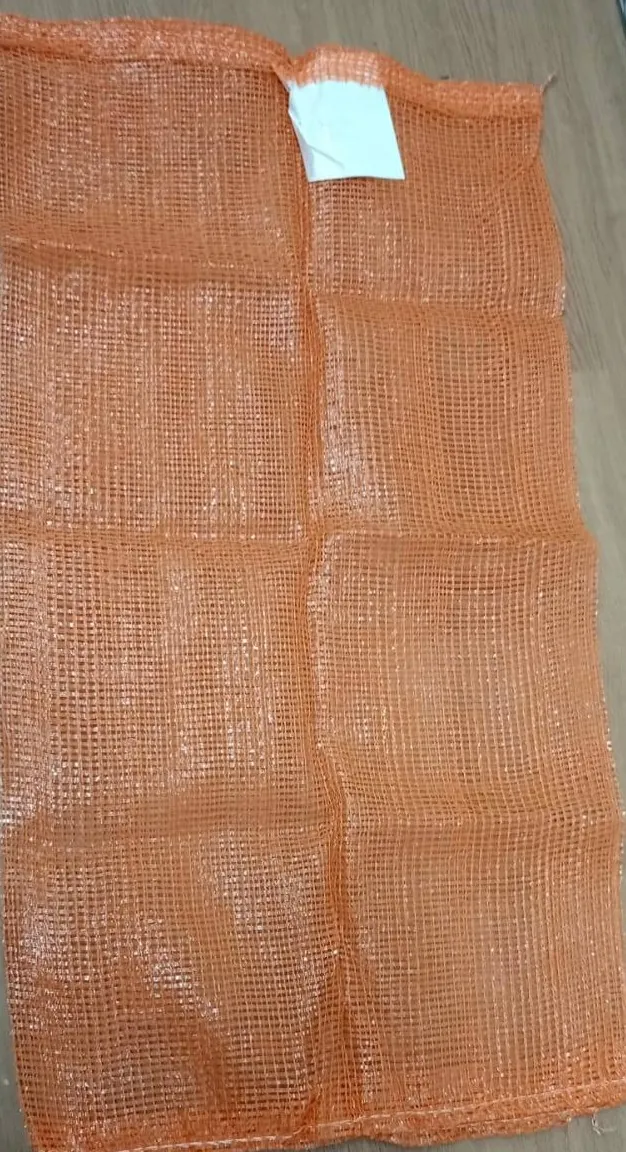
Kenya grows onions around Ol Kalou and Kieni and imports aggressively from Tanzania when local supply dips — and every bulb moves in mesh. The local trade runs 2kg to 13kg sizes in yellow and orange tones, with the coarser, stronger weaves preferred because market handling is unforgiving: sacks are dragged, stacked and re-stacked across a chain from farm to duka. Closures lean toward simple drawstring and over-edge stitching; the closure that a stall holder can re-tie after selling half the bag is worth more than a factory-perfect heat cut. Consistent colour matters commercially too — yellow onions in yellow mesh sell faster at the stall because buyers identify grade by colour at a glance.
Potatoes, charcoal and the retail chain
Irish potatoes move in heavier woven sacks rather than leno, but the cleaned, graded retail potato channel in supermarkets uses mesh bags of 2 to 5kg with printed tags. Charcoal — a huge informal retail category in Kenyan towns — runs strong mesh and plain woven sacks, where tear strength beats appearance. The spec common thread: GSM over beauty, reinforced closures, and UV stabilisation for stock that sits on roadside displays through equatorial sun, which is harder on polypropylene than any European warehouse will ever be.
Horticulture export and compliance notes
Kenya's export horticulture — beans, snow peas, avocado packing lines — uses mesh selectively for pre-cooling and ventilation steps, with food-grade polypropylene and the material declarations that European retail customers demand from their Kenyan suppliers. For imported leno into Kenya, KEBS PVoC conformity applies on regulated consignments, and duty under the EAC Common External Tariff typically sits around 25% for finished sacks with the Import Declaration Fee on top — your clearing agent confirms current lines. Containers clear at Mombasa and move inland on the SGR to Nairobi, which has cut inland transit times meaningfully in recent years.
Frequently Asked Questions
Which mesh suits the Kenyan onion trade?
Coarser, stronger weaves in 2kg to 13kg sizes, yellow or orange colour-coding by grade, with drawstring closures that stall holders can re-tie in the market.
Do bags survive roadside display sun?
Only with UV stabilisation built into the tape — equatorial sun degrades unstabilised polypropylene in weeks, so every outdoor spec we run for Kenya includes a UV package.
What duty applies to imported mesh bags?
The EAC Common External Tariff typically places finished sacks around 25% plus the Import Declaration Fee — confirm the live rates with your clearing agent before pricing.
Can we mix sizes in one container?
Yes — baled leno mixes cleanly, and most Kenyan importers combine three or four sizes with colour separation so inland distribution stays simple.
Mesh counts, colours and closures are on the Leno Mesh Bags and Rolls page. For produce export technique read the produce export packing guide, and for KEBS certification flow see the Kenya compliance guide.