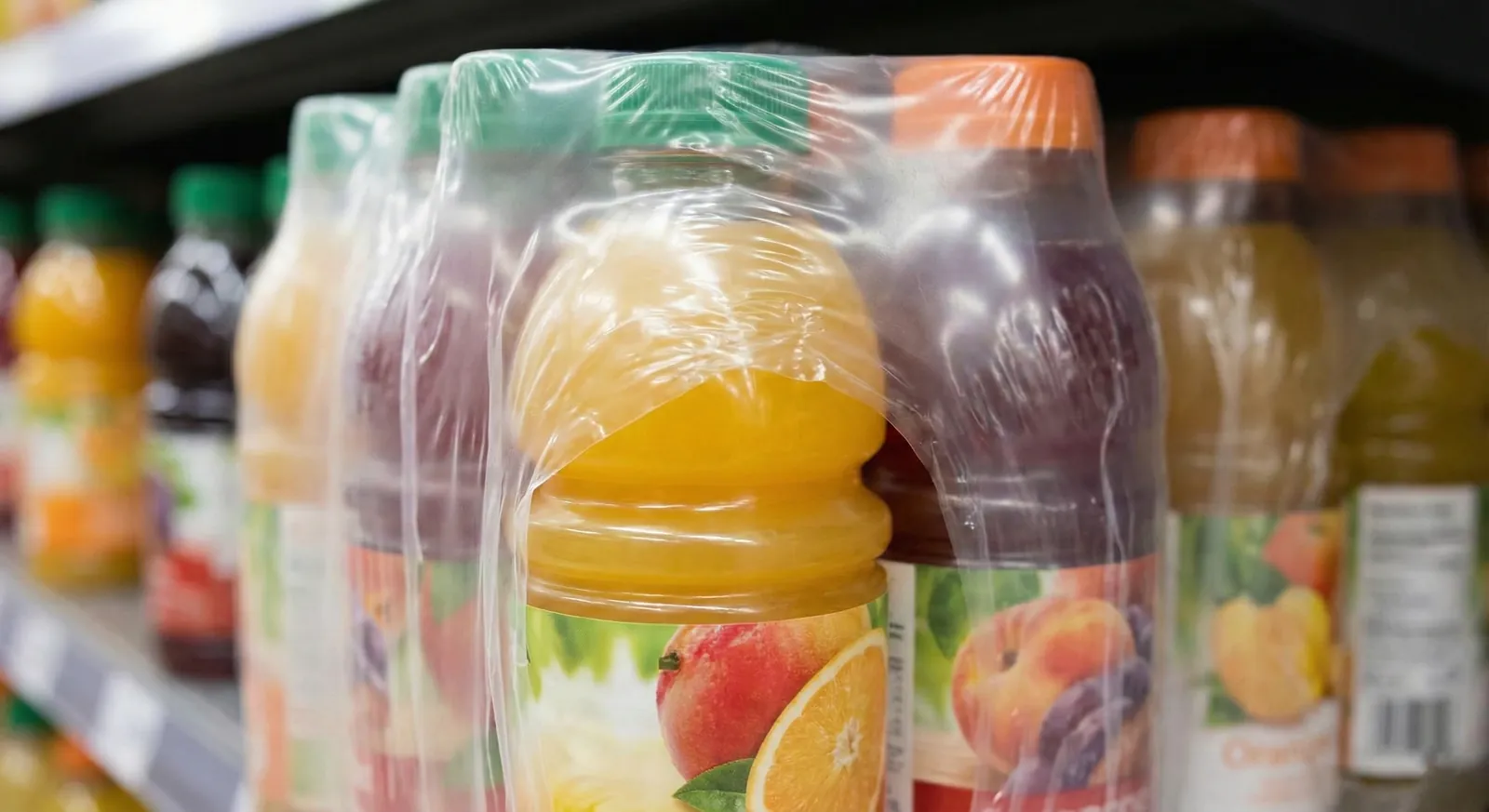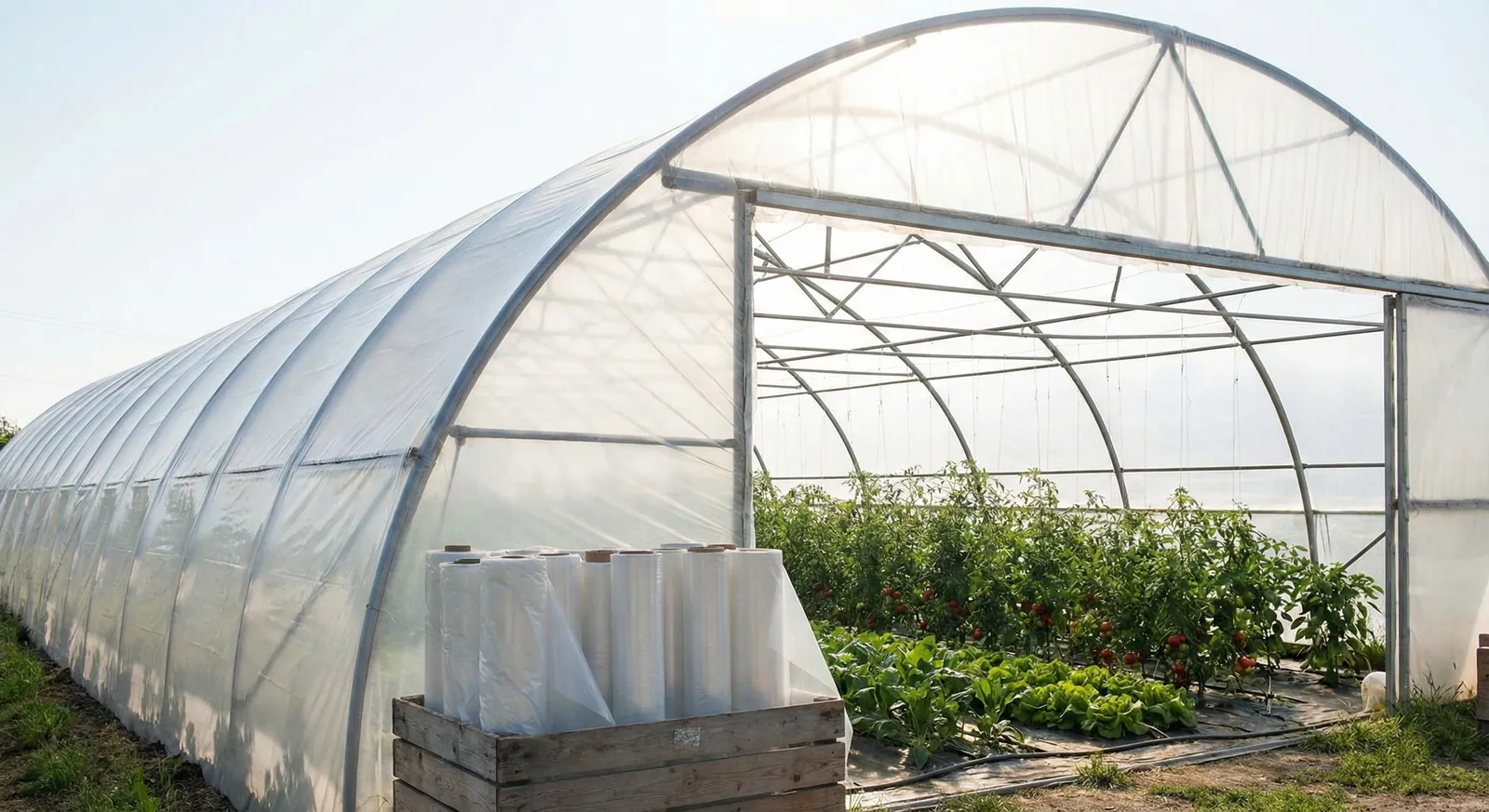
The UAE built a serious dairy sector in one of the least obvious places on earth for one, and that sector runs on preserved forage. Fresh grass does not grow reliably in desert heat, so dairy operations from Al Ain to the northern emirates wrap, bag and store feed against the calendar — and the film that does that job is a critical input, not a commodity purchase. A punctured bale in UAE heat spoils fast; an oxygen barrier that holds turns harvested forage into twelve months of feed security.
What UAE buyers actually spec
Modern silage film is an engineering product: five to seven co-extruded layers where the inner layers carry the mechanical strength and the outer layers carry UV stabilisation and light-blocking. Bale wrap runs 20 to 25 micron with high stretch (the film must elongate on the wrapper and then hold tight for months), black or white-black colourways — white reflects Gulf sun and keeps bale temperatures down. UV packages run 12 to 24 months because UAE bales sit outdoors in heat that would kill generic film in one summer. Silage bags for bunker and bagger systems run heavier, 150 to 200 micron constructions with the same oxygen-barrier logic. Every spec we ship into the UAE carries Gulf-validated UV, and we say no to orders that ask for generic film here — the spoilage cost lands on the buyer, and that is a reputation we do not want.
Wrap versus bags: the UAE reality
Round bale wrap dominates UAE dairy operations because wrapped bales stack and move with the telehandlers farms already run. Bagger systems with heavy silage tubes suit larger forage flows. The economics conversation: film is a small fraction of feed cost, and spoiled feed is a large fraction — buyers who price film per kilo without asking about oxygen transmission and UV validation are optimising the wrong variable. We provide per-bale film consumption figures so buyers can model honestly.
Import flow and ordering
Film ships from Mundra to Jebel Ali in 3 to 6 days port to port — the shortest lane in our agri-film book — at the GCC standard 5% CIF duty under HS 3920.10. Documents are simple, and repeat cycles run fast: most UAE dairy suppliers order quarterly against herd size, with film widths and colourways held as standing specs. MOQ starts at container level but UAE distributors often split FCLs across silage and mulch film lines, which works cleanly because both are baled and wrapped identically.
Frequently Asked Questions
What makes silage film different from normal plastic film?
Multi-layer oxygen barrier construction plus high stretch and long UV life — the film must exclude air for months in extreme heat, which generic sheeting cannot do.
Black or white film for UAE bales?
White or white-black — reflection keeps bale temperatures down in Gulf heat; inner black layers block light for the oxygen barrier.
How much film per bale?
Consumption depends on bale size and wrapper settings; we provide per-bale figures so buyers can model feed cost honestly against spoilage risk.
What is the import duty at Jebel Ali?
The GCC standard 5% CIF duty applies on polyethylene film under HS 3920.10 — your clearing agent confirms the exact line.
Film constructions are on the Silage Film page. For the feed-growing side read the UAE mulch film guide, and for moisture-barrier logic across formats see how PE barriers block moisture.