American reusable-bag demand is legislation with a supply chain attached. State and county plastic bag bans created a permanent market for bags that are genuinely reusable, and woven polypropylene totes — the laminated ones that hold their shape and print beautifully — own the premium end of that market. Supermarket chains, promotional product distributors and grocery wholesalers all buy in this space, and the wholesale mechanics are specific enough that first-time buyers routinely overpay for their first container. Here is the structure worth knowing.
The regulatory backdrop that shapes specs
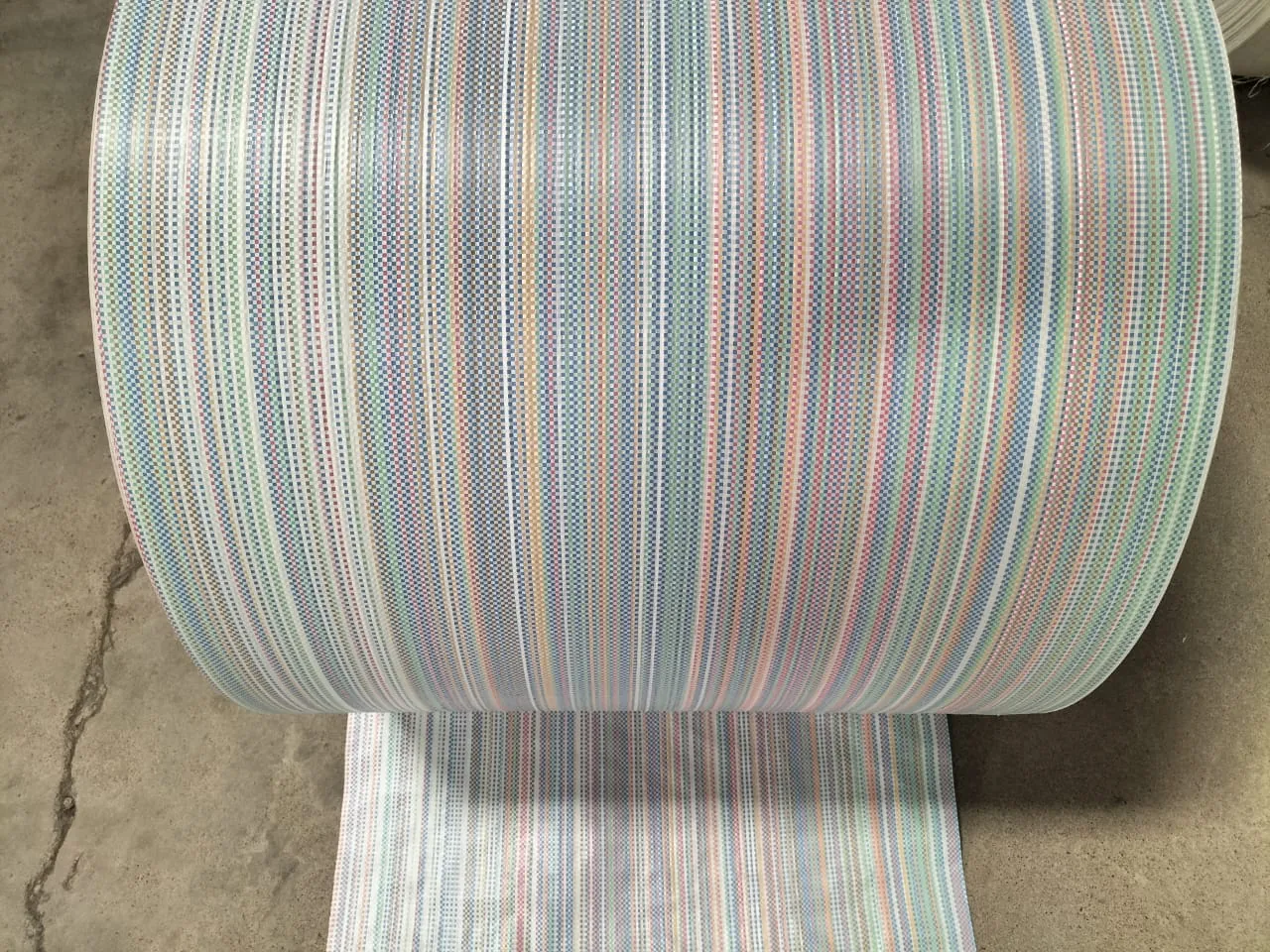
California set the template: reusable bags sold at checkout must meet durability criteria — capable of a defined number of uses, with a minimum thickness — and the state updates the definition periodically as the market evolves. Other states and cities layered their own bans and charges, most converging on the same practical requirement: a bag built for many reuses, not a heavier single-use film. For buyers this means the spec conversation starts with durability, not price: 90 to 120 GSM woven PP, laminated faces, stitched handles anchored through reinforcement, and the material documentation that proves the construction if a retail compliance officer asks. We build to the reusable-bag criteria your channel references and document the construction per order.
Pricing structure and container economics
Wholesale pricing quotes per thousand pieces, FOB Mundra or CIF to your port, with four cost drivers: size, GSM, lamination and print colours. Rotogravure on laminate handles photographic branding; single and two-colour flexo work serves value programmes. MOQs run 5,000 to 10,000 pieces per design, and container planning is where US distributors win margin — a 40ft high cube carries tens of thousands of flat-packed totes, and mixed designs sharing one FCL is standard practice for promotional distributors juggling client campaigns. Duty under HTS 6305.33 is generally nil at MFN and India-origin goods carry no Section 301 exposure, which keeps landed costs predictable in a category where China-sourced equivalents face tariff volatility.
How US programmes actually run
The successful pattern we see: a distributor locks two or three house designs with cylinders held, orders quarterly against seasonal campaign calendars, and stores inventory regionally. First-order cycle runs 7 to 9 weeks including sampling and ocean to NY-NJ, Savannah or LA-Long Beach; repeats with cylinders on file land in 5 to 7 weeks. Colour governance is the quiet differentiator — a supermarket chain whose brand red drifts between quarterly runs hears about it from marketing, so we ink-batch every run against the signed standard.
Frequently Asked Questions
Do bags meet California reusable-bag criteria?
Yes when specified for that channel — we build to the durability and construction criteria your retail customer references and supply the material documentation that backs it.
What is the MOQ per design?
Typically 5,000 to 10,000 pieces per design; multiple designs share one container, which is how promotional distributors run multi-client programmes.
What duty applies to imports from India?
HTS 6305.33 woven sacks generally clear duty-free at MFN, and Section 301 tariffs do not apply to India-origin goods — landed cost stays predictable.
Can we hold our designs for fast repeats?
Yes — print cylinders for designs you fund are stored for your programme, making repeat containers cheaper and 5 to 7 weeks door to door.
Constructions and finishes are on the Shopping Bags (Woven) page. For premium print strategy read the high-ROI print sourcing guide, and for retail format ROI see BOPP versus standard woven ROI.