When the UAE started charging 25 fils per single-use plastic bag at supermarkets, something quietly changed in the packaging market: the reusable bag stopped being a green gesture and became a product category with real volume. Supermarket chains across Dubai, Abu Dhabi and Sharjah now sell branded reusable bags at the till, malls hand out laminated woven carriers for events and openings, and promotional agencies buy them by the container. Woven PP shopping bags — laminated, printed edge to edge, carrying 10kg like it is nothing — sit at the premium end of that category, and the sourcing decisions behind them are worth getting right the first time.
What UAE buyers actually spec
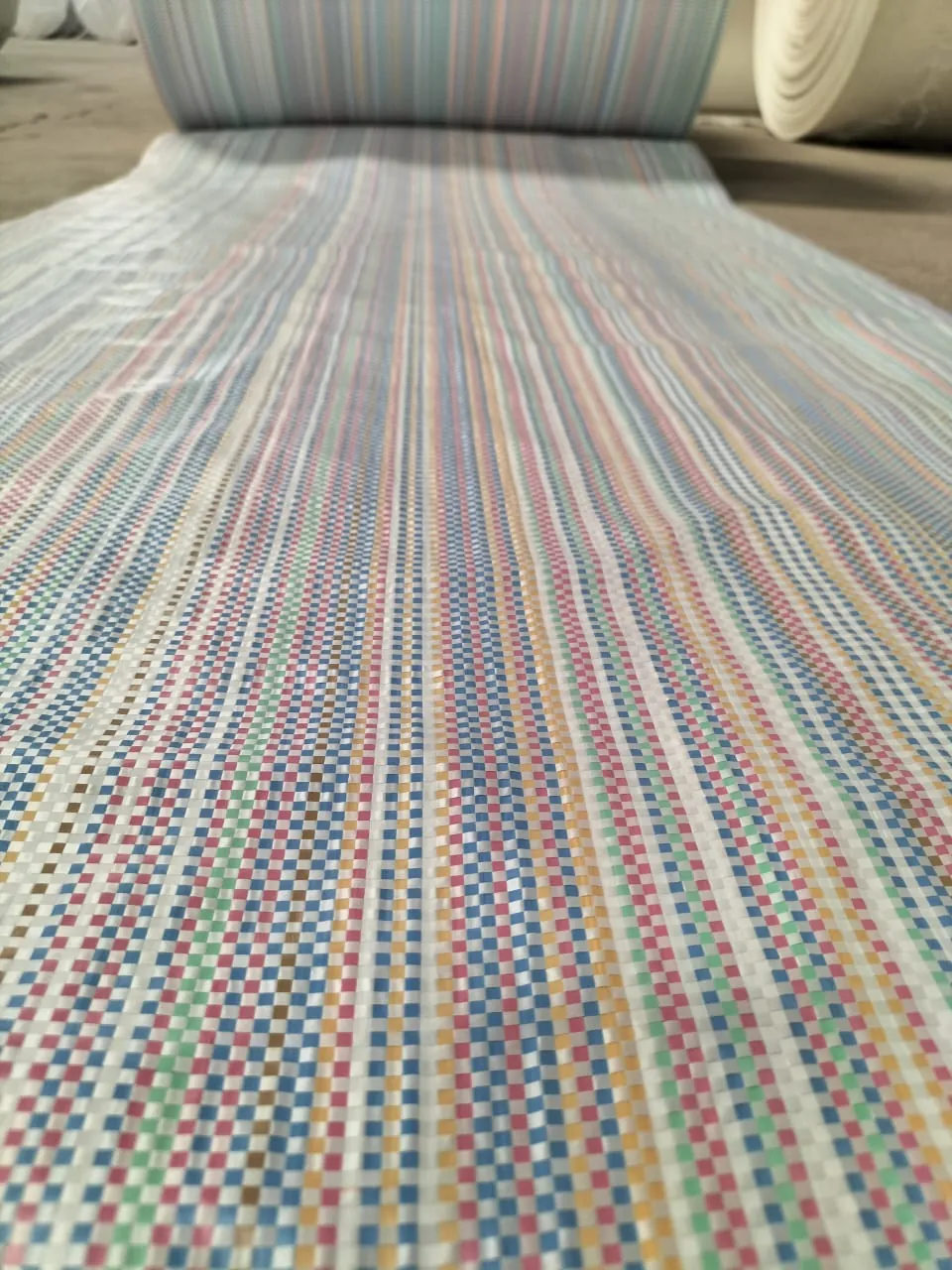
The workhorse construction is 90 to 120 GSM woven PP with a 12 to 18 micron BOPP or matt laminate face, printed in four to eight colours by rotogravure or high-quality flexo, with reinforced handles either sewn or ultrasonically attached. Sizes cluster around the supermarket standard — roughly 38 by 42 centimetres with a 10cm gusset — plus larger event totes and smaller boutique carriers. Finishing separates the tiers: matt lamination with spot gloss reads premium at fashion and hospitality events; full gloss with saturated brand colour dominates supermarket programmes. Handles matter more than buyers expect — a loop that frays at the seam after two weeks of use undoes the whole reusable message, so stitch density and handle anchor points are the two details we over-engineer for UAE customers.
MOQ, artwork and the Dubai calendar
Laminated woven shopping bags carry cylinder costs per design, so MOQs land around 3,000 to 10,000 pieces per design depending on size — below that, per-piece pricing distorts. Mixed designs share one container easily, which is how promotional agencies serve multiple clients from a single FCL. The Dubai calendar matters: Ramadan, National Day, DSF and the autumn exhibition season each pull campaign volumes, and brands that order 8 to 10 weeks ahead of a campaign get cylinder-and-proof time plus ocean freight from Mundra (3 to 6 days port to port, then clearance) inside their window without air freight panic. ECAS and labelling compliance for consumer-facing bags is straightforward when material declarations ship with the consignment, which ours always do.
Why Indian manufacturing wins this category
Laminated woven bag manufacturing is an integration game — weaving, lamination, printing and converting under one roof — and the Ahmedabad cluster does all four at scale with the colour management Gulf brands demand. Per-piece pricing from India typically beats regional converting operations at container volumes, and the short sea leg to Jebel Ali makes repeat orders a 4 to 5 week cycle door to door.
Frequently Asked Questions
What MOQ applies per design?
Around 3,000 to 10,000 pieces per design depending on size and finish — cylinder costs amortise from there, and multiple designs share one container.
Can bags match our brand colours exactly?
Yes — Pantone-referenced rotogravure printing with a signed counter-sample standard held for every repeat run.
Which finish suits supermarket programmes?
Gloss lamination with saturated brand colour for shelf-adjacent visibility; matt with spot gloss for premium event and hospitality campaigns.
How fast can a campaign order land in Dubai?
First orders run 6 to 8 weeks including sampling; repeats with held cylinders land in 4 to 5 weeks door to door via Jebel Ali.
Constructions and finishing options are on the Shopping Bags (Woven) page. For premium retail packaging strategy read the UAE and KSA retail packaging guide, and for format comparison see BOPP vs non-woven vs woven retail formats.