Every Australian state now restricts or bans lightweight plastic shopping bags, and the reusable category that replaced them has matured fast: shoppers expect a bag to survive months of use, retailers expect compliance documentation, and the ACCC watches country-of-origin claims. Importing woven shopping bags into Australia is therefore a compliance-first exercise more than a price exercise — and the importers who get the checklist right own the loyal end of the market, because a tote that lasts builds the brand printed on it.
Bag bans and what "reusable" really means
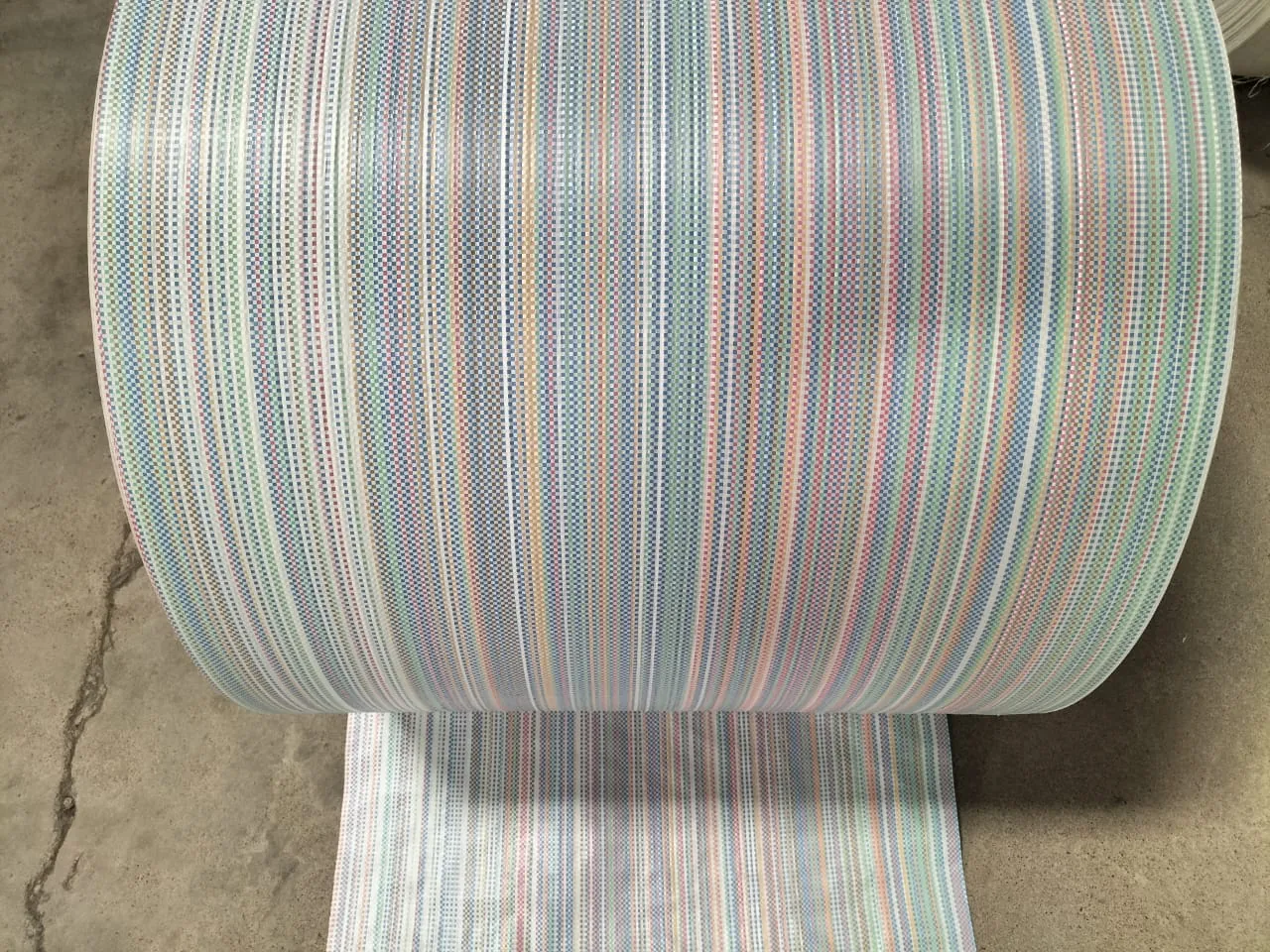
The state bans target lightweight single-use film, leaving the market to genuinely reusable formats — and the bar is practical: a bag that carries meaningful weight repeatedly, with handles that do not tear from the body. Woven PP construction at 90 to 120 GSM with laminated faces clears that bar comfortably when two failure points are engineered out: handle anchoring (stitched through reinforcement strips, not tacked to the laminate) and base stitching under load. Our Australian reusable programmes spec exactly those two details, plus a 30kg static load test on the finished bag — a number that sounds abstract until a customer loads six bottles of milk and the bag becomes a brand reputation problem.
Labelling, origin claims and biosecurity
ACCC rules require country-of-origin and supplier identification on retail packaging to be accurate — a "Made in India" mark printed cleanly on the tote base satisfies both the letter of the law and, increasingly, shopper preference for transparent sourcing. On the import side, DAFF biosecurity paperwork applies as with any Australian consignment: the packing declaration, container cleanliness statement and clean bale packing ship with every order we send to Australia. Duty on woven sacks under HS 6305.33 runs low to nil on the general rate, with AI-ECTA preferential access available on many Indian textile lines when a certificate of origin is filed; 10% GST applies on landed value and is creditable for registered businesses.
The pre-shipment checklist we run
Every Australian tote consignment gets: GSM and dimension audit per production lot, handle pull and 30kg static load tests, lamination bond check, colour match against the signed Pantone standard, base stitching inspection, and the biosecurity document pack. Third-party inspection before loading is available and used by several Australian retail customers; the cost is trivial against a rejected container.
Frequently Asked Questions
Do our bags comply with state bag ban rules?
Woven PP reusable totes sit outside the single-use film bans by construction; we document durability so retail compliance teams have the file they need.
What makes a tote genuinely reusable?
Handle anchoring through reinforcement, base stitching under load, and a tested static load rating — we run a 30kg static load test on every lot.
What biosecurity documents arrive with the shipment?
Packing declaration and container cleanliness statement plus standard trade documents, issued with every Australia-bound consignment so DAFF clearance runs on schedule.
Does AI-ECTA reduce our duty?
Many Indian textile lines enter at preferential rates with a certificate of origin — your broker confirms the current HS 6305.33 treatment for your construction.
Tote constructions and finishes are on the Shopping Bags (Woven) page. For sun-exposure durability read the UV stabilisation guide, and for retail format choices see the retail packaging comparison.