Buying a high-quality woven weed mat is only half the battle. If it is installed incorrectly—with gaps at the seams, loose edges, or poor irrigation planning—weeds will find a way to break through, and your investment will be wasted.
Proper installation ensures 100% weed suppression, optimal water conservation, and maximum crop yield. Whether you are managing a commercial orchard, a vineyard, or a nursery, follow this professional step-by-step guide to laying woven ground covers.
Step 1: Site Preparation (The Foundation)
A clean, level surface is critical for the weed mat to lay flat and perform effectively.
Clear the Area: Remove all existing weeds, rocks, roots, and sharp debris. Sharp stones can puncture the fabric over time.
Level the Soil: Rake the soil to create a smooth, even surface. This prevents water from pooling in low spots under the mat.
Pre-Water the Soil: Lightly irrigate the area before laying the mat. This provides immediate moisture to the soil before it is covered.
Step 2: Drip Irrigation Setup (Crucial Step)
Because a woven weed mat reduces evaporation, you need less water, but you must deliver it efficiently.
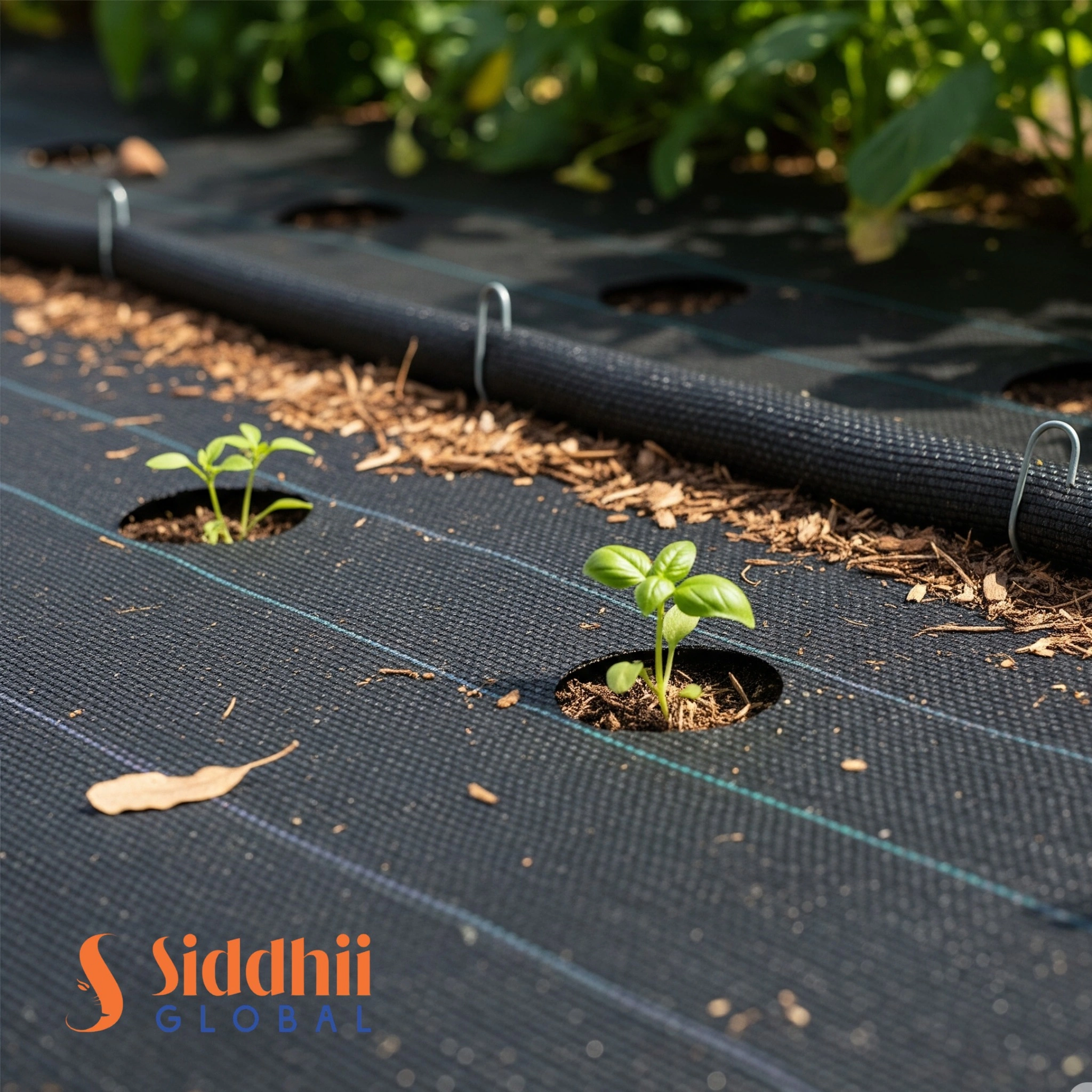
Lay Drip Lines First: Always install your drip irrigation tapes or lines on top of the soil before rolling out the weed mat.
Why? This allows you to water the root zones directly. If you water over the mat, while the water will permeate, drip lines under the mat prevent evaporation entirely and keep the mat surface dry, reducing slip hazards.
Step 3: Rolling & Overlapping (No Gaps Allowed)
Weeds are aggressive; even a 1-inch gap is enough for them to sprout.
Unroll the Mat: Roll out the woven ground cover along the rows.
The Overlap Rule: When joining two pieces of weed mat, you must overlap them by at least 6 to 8 inches (15-20 cm). Never just butt the edges together, as the fabric can shrink or shift.
Direction of Lay: If you are on a slope, always overlap the higher piece over the lower piece, like roof shingles, so water runs over the seams instead of getting trapped under them.
Step 4: Securing the Edges (Anchor It Down)
Wind and heavy rain can easily lift unsecured fabric, destroying your layout.
Use Heavy-Duty Staples/Pegs: Use U-shaped steel or heavy plastic ground staples.
Spacing: Place a staple every 3 to 5 feet along the edges, and every 2 feet along the overlapping seams.
Bury the Edges: For permanent installations (like orchards), dig a small trench, tuck the edges of the mat into the trench, and cover with soil for a wind-proof seal.
Step 5: Planting & Cutting (Accessing the Soil)
Now it’s time to plant your crops through the barrier.
Make X-Shaped Cuts: Wherever you want to plant, use a sharp knife to cut an "X" into the fabric.
Fold Back the Flaps: Pull the four flaps of the "X" back, dig your hole, and plant the sapling or seed.
Re-cover the Roots: Once planted, fold the flaps back around the base of the plant stem. This minimizes the exposed soil area, keeping weed suppression at nearly 100%.
Global Terminology for Installation & Application
When sourcing and researching ground cover setup, international growers use specific terms:
In Germany & Austria: Farmers search for "Unkrautvlies verlegen" (Laying weed fabric) or "Bodendecker installieren" (Installing ground cover).
In France: Growers look for "Poser une bâche anti-mauvaises herbes" (Laying an anti-weed tarp) or "Installation tissu anti-mauvaises herbes".
In Spain & Mexico: Agricultural teams search for "Instalación de tela anti malezas" or "Cómo colocar malla antihierba".
In the Middle East (UAE): Managers look for "تركيب غشاء الأرضية" (Installing ground membrane) or "تثبيت غطاء تربة" (Securing soil cover).
In Brazil: Farmhands search for "Como instalar manta anti ervas" or "Assentamento de cobertura do solo".
Siddhii Global: Easy-Install Ground Cover Manufacturer
As a premier manufacturer based in Kalol, Gujarat, Siddhii Global produces Woven Weed Mats designed for fast, secure installation. We offer:
Custom Roll Widths: Wider rolls mean fewer overlapping seams, saving you installation time and labor.
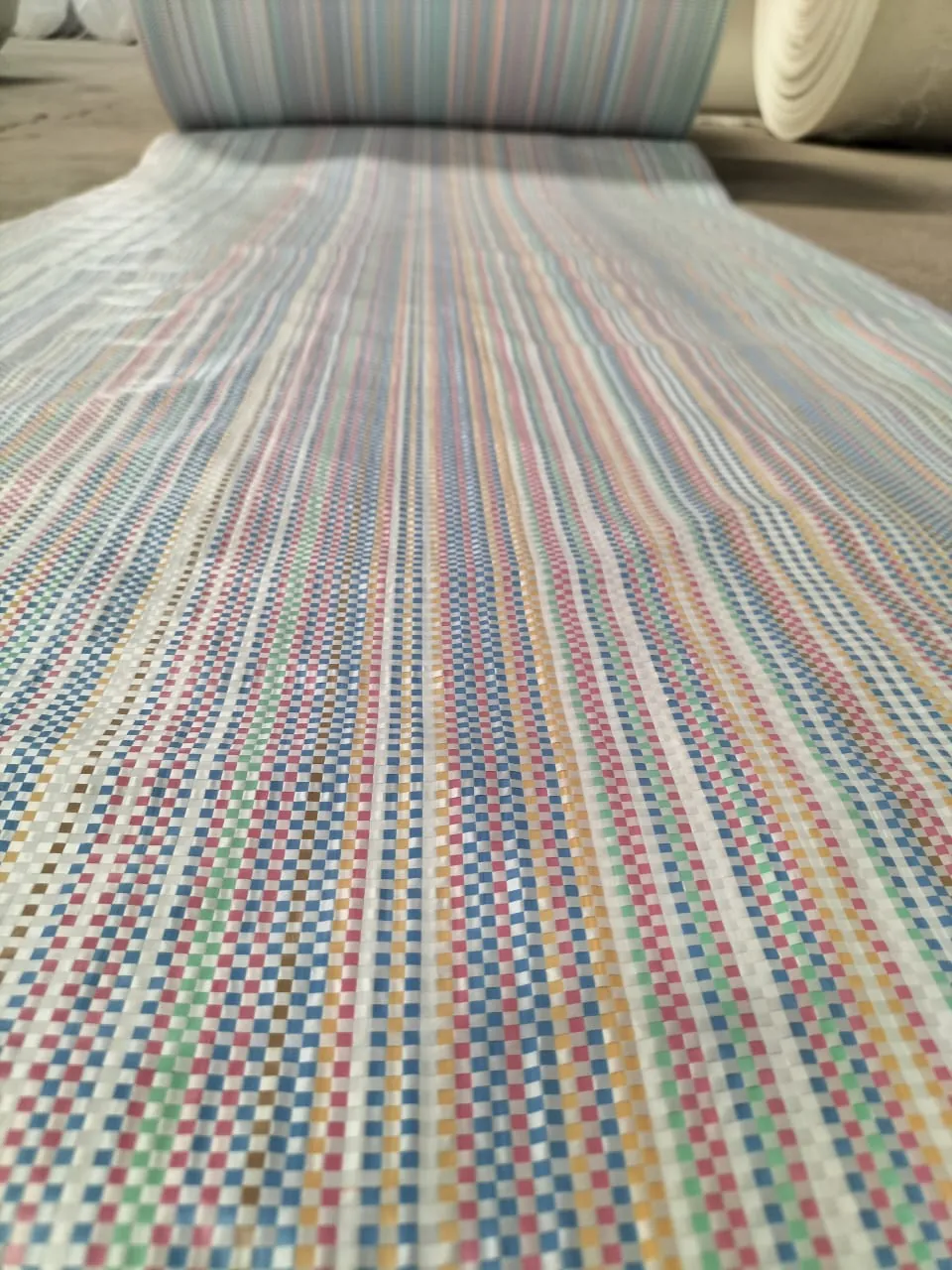
Green Striped Guidelines: Optional colored guide lines woven into the mat to help workers space plants evenly during Step 5.
High Puncture Resistance: Stands up to foot traffic and staple securing without tearing.
Internal Linking Opportunities:
Why use woven mats? Read: How Woven Weed Mats Reduce Labor Costs & Save Water in Global Agriculture
Farming in extreme climates? Read: [Surviving the Desert Heat: Why UV-Stabilized Weed Mats Are Essential for Agriculture in the Middle EastInstall it right, and watch your yields soar.
Need high-performance weed mats for your farm?
Explore our Weed Mat Range or contact us for a custom export quote!